Why Choose Polycarbonate Greenhouses for Growing?
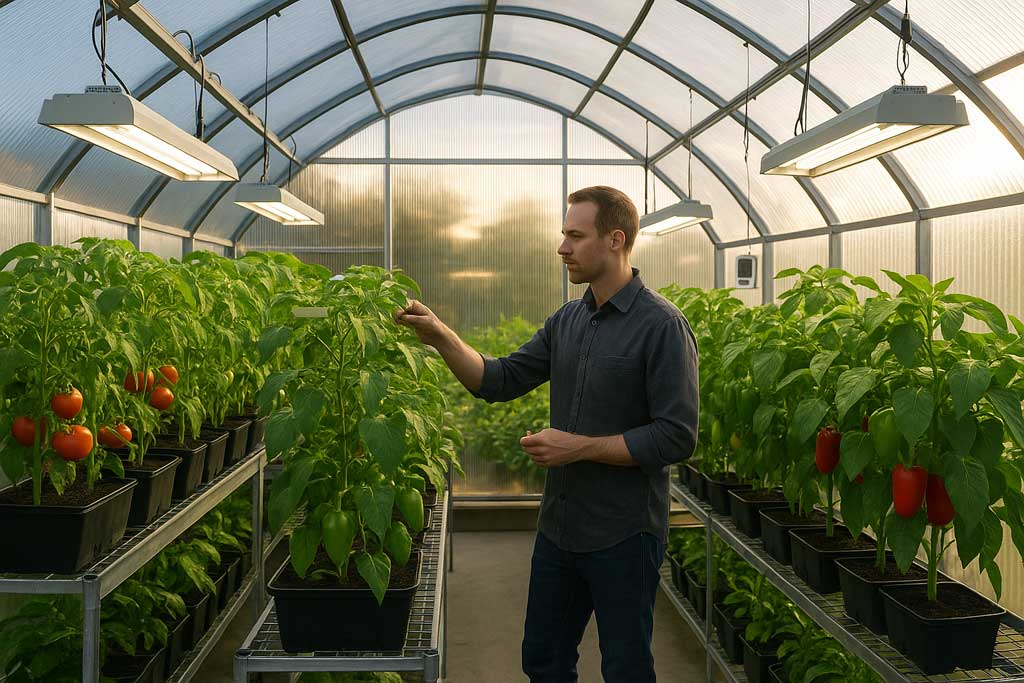
Polycarbonate greenhouses have revolutionized modern horticulture, offering superior insulation properties and durability compared to traditional glass structures. With their excellent light transmission rates of up to 90% and superior thermal efficiency, these structures create optimal growing conditions for a wide variety of plants.
Understanding Polycarbonate’s Unique Benefits
The cellular structure of polycarbonate panels provides exceptional insulation while maintaining excellent light diffusion. This unique combination creates a stable growing environment that reduces temperature fluctuations and provides consistent growing conditions throughout the day.
Key Advantages Include:
- Superior Insulation: Twin-wall polycarbonate provides up to 75% better insulation than single-pane glass
- Impact Resistance: 200 times stronger than glass, virtually unbreakable
- Light Diffusion: Eliminates hot spots and provides even light distribution
- UV Protection: Built-in UV coating protects both plants and structure
Temperature Control Mastery
Successful greenhouse growing begins with understanding and controlling temperature. Polycarbonate greenhouses excel at maintaining stable temperatures, but proper management techniques are essential for optimal plant growth.
Optimal Temperature Ranges by Plant Type
Cool Season Crops (50-65°F / 10-18°C)
- Lettuce, spinach, and leafy greens
- Peas, broccoli, and cabbage
- Herbs like cilantro and parsley
Warm Season Crops (65-75°F / 18-24°C)
- Tomatoes, peppers, and eggplant
- Cucumbers and squash
- Basil and tropical herbs
Tropical Plants (75-85°F / 24-29°C)
- Orchids and exotic flowers
- Tropical fruits and vegetables
- Heat-loving herbs and spices
Ventilation Strategies for Temperature Control
Proper ventilation is crucial for maintaining optimal temperatures and preventing humidity buildup. A well-designed ventilation system should provide complete air exchange every 1-2 minutes during peak conditions.
Essential Ventilation Components:
- Roof Vents: Allow hot air to escape naturally through thermal buoyancy
- Side Vents: Provide cool air intake to replace rising warm air
- Circulation Fans: Ensure even air distribution and prevent stagnant pockets
- Automatic Vent Openers: Maintain consistent temperatures without manual intervention
Humidity Management in Polycarbonate Structures
The excellent insulation properties of polycarbonate can lead to high humidity levels if not properly managed. Maintaining optimal humidity levels (50-70% for most crops) is essential for preventing disease and promoting healthy plant growth.
Humidity Control Techniques
Effective humidity management combines proper ventilation, strategic watering practices, and environmental monitoring to create ideal growing conditions.
Best Practices for Humidity Control:
- Morning Ventilation: Open vents early to remove overnight moisture buildup
- Drip Irrigation: Reduces surface water and minimizes humidity spikes
- Proper Spacing: Ensure adequate air circulation around plants
- Dehumidification: Use fans or dehumidifiers during humid conditions
Plant Selection and Layout Optimization
Maximizing your polycarbonate greenhouse potential requires strategic plant selection and thoughtful layout planning. Understanding microclimates within your structure allows for optimal plant placement and increased productivity.
Creating Microclimates
Every greenhouse contains multiple microclimates due to variations in light, temperature, and humidity. Polycarbonate structures excel at creating stable microclimates that can be tailored to specific plant needs.
Microclimate Zones:
- Upper Shelves: Warmer, lower humidity – ideal for heat-loving plants
- Floor Level: Cooler, higher humidity – perfect for leafy greens
- South-Facing Areas: Maximum light exposure for fruiting crops
- North-Facing Areas: Consistent, diffused light for sensitive plants
Seasonal Growing Strategies
Polycarbonate greenhouses enable year-round growing with proper seasonal adjustments. Understanding how to adapt your growing practices to changing conditions maximizes productivity throughout the year.
Spring Growing (March-May)
Focus on seed starting and transitioning winter crops. Take advantage of increasing daylight and moderate temperatures to establish summer crops.
Summer Growing (June-August)
Maximize ventilation and shading to prevent overheating. Focus on heat-tolerant crops and implement cooling strategies during peak temperatures.
Fall Growing (September-November)
Transition to cool-season crops and begin preparations for winter growing. Reduce ventilation and begin supplemental heating considerations.
Winter Growing (December-February)
Implement heating strategies and maximize light exposure. Focus on cold-tolerant crops and maintain adequate humidity levels.
Advanced Growing Techniques
Take your polycarbonate greenhouse growing to the next level with advanced techniques that maximize space utilization and crop productivity.
Vertical Growing Systems
Maximize your growing space with vertical systems designed specifically for greenhouse environments. These systems can triple your growing capacity while maintaining easy access for maintenance.
Hydroponic Integration
Combine the benefits of polycarbonate structures with hydroponic growing systems for maximum efficiency and control over growing conditions.
Companion Planting Strategies
Optimize plant relationships within your controlled environment to naturally manage pests, improve growth rates, and maximize space utilization.
Monitoring and Data Collection
Successful greenhouse growing relies on consistent monitoring and data-driven decisions. Modern technology makes it easier than ever to track and optimize growing conditions.
Essential Monitoring Equipment
- Min/Max Thermometers: Track temperature fluctuations
- Hygrometers: Monitor humidity levels
- Soil Thermometers: Ensure optimal root zone temperatures
- Light Meters: Measure and optimize light exposure
Troubleshooting Common Issues
Even experienced growers encounter challenges. Understanding common issues and their solutions helps maintain optimal growing conditions and prevents minor problems from becoming major setbacks.
Temperature Fluctuations
Symptoms: Sudden temperature spikes or drops, uneven growth patterns
Solutions: Improve ventilation, add thermal mass, install automatic vent openers
Excessive Humidity
Symptoms: Condensation on walls, fungal issues, poor air circulation
Solutions: Increase ventilation, improve drainage, add circulation fans
Pest Management
Prevention: Regular inspections, proper sanitation, beneficial insect programs
Treatment: Integrated pest management, targeted interventions, biological controls
Maximizing Your Investment
Your polycarbonate greenhouse represents a significant investment in your growing future. Implementing these strategies ensures you get maximum value and productivity from your structure for years to come.
Remember that successful greenhouse growing is a continuous learning process. Start with basic crops and techniques, then gradually expand your knowledge and capabilities as you gain experience with your specific growing environment.
 English
  Spanish
  French
  German
  Portuguese
  Arabic
  Russian
  Chinese