Winter Preparation: Setting Your Greenhouse Up for Success
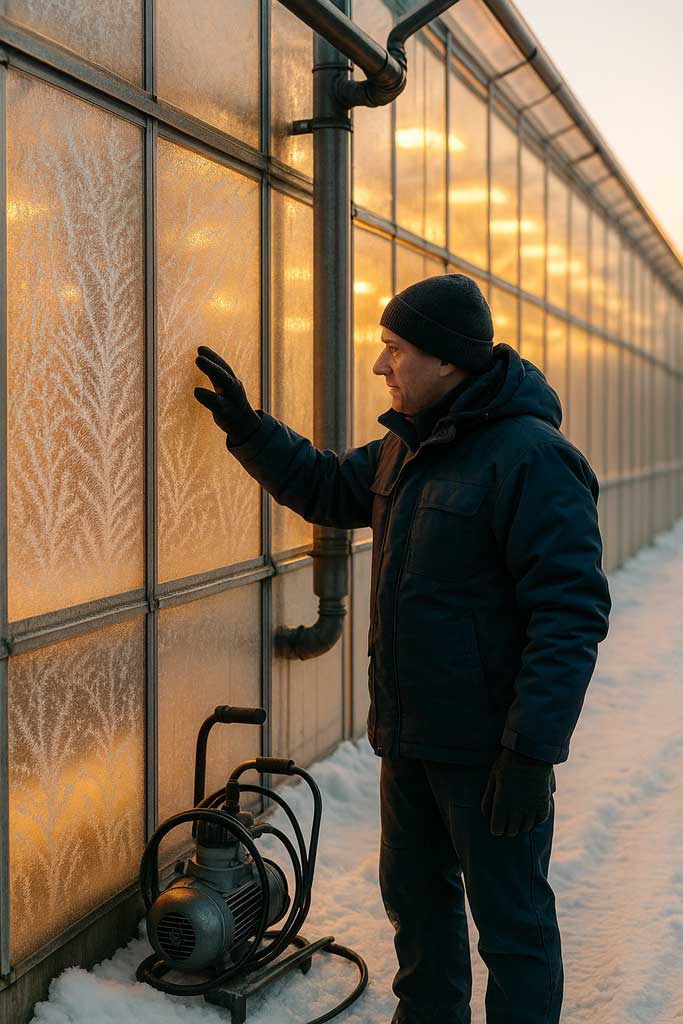
Winter maintenance begins long before the first frost arrives. Proper preparation in late fall ensures your polycarbonate greenhouse operates efficiently throughout the cold months, protecting your plants and minimizing heating costs.
A well-maintained greenhouse not only preserves your investment but also creates optimal growing conditions for winter crops, extending your growing season and maximizing productivity when outdoor gardening becomes impossible.
Pre-Winter Inspection Checklist
Conducting a thorough inspection before winter weather arrives helps identify potential issues that could become serious problems during cold weather. Early detection and correction save both money and plants.
Structural Assessment
Frame and Foundation Inspection:
- Check all bolts and connections: Tighten any loose hardware that could allow cold air infiltration
- Inspect door and vent operation: Ensure all moving parts operate smoothly and seal properly
- Examine foundation integrity: Look for settling, cracks, or gaps that could compromise insulation
- Assess overall stability: Verify the structure can handle snow loads and winter winds
Polycarbonate Panel Evaluation
Your polycarbonate panels are your primary defense against winter weather. Ensuring they’re in perfect condition is crucial for maintaining warmth and protecting your plants.
Panel Inspection Points:
- Edge sealing integrity: Check for loose or damaged sealing tape that could allow moisture infiltration
- Surface cleanliness: Clean panels to maximize light transmission during shorter winter days
- Impact damage assessment: Look for cracks, holes, or stress marks that need repair
- Thermal expansion gaps: Verify proper spacing for winter contraction
Heating System Optimization
Efficient heating is essential for winter greenhouse success. Proper system maintenance and optimization can reduce energy costs by 20-30% while ensuring consistent temperatures for plant health.
Heating System Maintenance
Gas and Propane Heaters:
- Professional inspection: Have systems checked by qualified technicians
- Burner cleaning: Clean burners and heat exchangers for efficient operation
- Ventilation verification: Ensure proper combustion air supply and exhaust
- Safety system testing: Test all safety shutoffs and controls
Electric Heating Systems:
- Electrical connections: Inspect all wiring and connections for safety
- Thermostat calibration: Verify accurate temperature control
- Heating element inspection: Check for damage or wear
- Circuit protection: Ensure proper breaker sizing and GFCI protection
Insulation Strategies
Maximizing your greenhouse’s natural insulation properties and adding supplemental insulation where appropriate can significantly reduce heating costs.
Thermal Curtain Installation:
Installing thermal curtains or energy screens can reduce heat loss by 30-50% during nighttime hours. These systems automatically deploy at sunset and retract at sunrise, maintaining optimal growing conditions while conserving energy.
Bubble Wrap Insulation:
Adding a layer of horticultural bubble wrap to the interior of your polycarbonate panels can provide additional insulation without significantly reducing light transmission. This simple modification can improve insulation by 20-30%.
Ventilation and Air Circulation Management
Proper air circulation becomes even more critical during winter months when the greenhouse is sealed tight against the cold. Stagnant air leads to humidity problems and increased disease pressure.
Winter Ventilation Strategies
Controlled Air Exchange:
- Minimum ventilation rates: Maintain 1-2 air changes per hour even in cold weather
- Heat recovery systems: Use heat exchangers to warm incoming fresh air
- Staged ventilation: Gradually increase ventilation as outdoor temperatures rise
- Humidity-based controls: Use humidity sensors to trigger ventilation when needed
Circulation Fan Maintenance
Circulation fans work harder during winter months and require extra attention to ensure reliable operation throughout the cold season.
Fan System Checklist:
- Motor lubrication: Service fan motors according to manufacturer recommendations
- Belt inspection: Check and adjust belt tension on belt-driven fans
- Blade cleaning: Clean fan blades to maintain efficiency
- Mounting security: Verify all mounting hardware is tight and secure
Water System Winterization
Protecting your irrigation and water systems from freezing is essential for maintaining plant health and preventing costly damage to equipment.
Freeze Protection Strategies
Pipe and Line Protection:
- Insulation installation: Wrap exposed pipes with foam insulation
- Heat tape application: Install self-regulating heat tape on vulnerable lines
- Circulation systems: Keep water moving to prevent freezing
- Backup heating: Install auxiliary heating for critical water areas
Irrigation System Adjustments
Winter watering requires different strategies to account for reduced evaporation rates and plant dormancy periods.
Winter Irrigation Modifications:
- Reduced frequency: Adjust timers for slower winter growth rates
- Timing optimization: Water during warmest parts of the day
- Drainage improvement: Ensure excellent drainage to prevent root rot
- System monitoring: Check systems more frequently for freeze damage
Plant Health and Disease Prevention
The closed environment of winter greenhouses can promote disease development if not properly managed. Preventive measures are far more effective than treating problems after they develop.
Environmental Disease Prevention
Humidity Control:
- Target levels: Maintain 50-70% relative humidity for most crops
- Dehumidification: Use fans or dehumidifiers during high humidity periods
- Air movement: Ensure good air circulation around all plants
- Watering practices: Water early in the day to allow foliage to dry
Sanitation and Hygiene
Maintaining excellent sanitation standards becomes even more important in the closed winter environment.
Sanitation Protocol:
- Regular cleaning: Clean and disinfect all surfaces monthly
- Debris removal: Remove dead plant material immediately
- Tool sterilization: Disinfect tools between plants and areas
- Pest monitoring: Increase inspection frequency for early detection
Energy Efficiency and Cost Management
Winter heating costs can be substantial, but strategic energy management can keep costs reasonable while maintaining optimal growing conditions.
Temperature Management Strategies
Optimal Temperature Settings:
- Night setbacks: Reduce temperatures 5-10°F at night when safe for crops
- Zone heating: Heat only occupied areas when possible
- Thermal mass utilization: Use water barrels or concrete to store daytime heat
- Minimum temperatures: Maintain only the minimum temperatures required for plant health
Alternative Energy Sources
Supplementing traditional heating with renewable energy sources can significantly reduce operating costs.
Renewable Energy Options:
- Solar heating: Passive solar design and active solar collectors
- Geothermal systems: Ground source heat pumps for efficient heating
- Biomass heating: Wood pellet or agricultural waste burners
- Waste heat recovery: Capturing heat from composting or other sources
Snow Load and Structural Considerations
Heavy snow loads can damage greenhouse structures and reduce light transmission. Proper snow management protects your investment and maintains growing conditions.
Snow Load Management
Prevention Strategies:
- Heating maintenance: Keep enough heat to melt snow on contact
- Structural assessment: Know your greenhouse’s snow load capacity
- Manual removal: Safely remove heavy accumulations when necessary
- Ice dam prevention: Maintain uniform roof temperatures
Emergency Preparedness
Winter weather can bring power outages, equipment failures, and extreme temperatures. Being prepared for emergencies can save your plants and prevent costly losses.
Backup Systems
Emergency Equipment:
- Backup heating: Portable heaters for emergency use
- Power generation: Generator capability for critical systems
- Temperature monitoring: Alarm systems for temperature excursions
- Emergency supplies: Repair materials and tools readily available
Communication and Monitoring
Remote monitoring systems allow you to track greenhouse conditions and respond quickly to problems, even when you’re not physically present.
Monitoring Systems:
- Remote sensors: Temperature, humidity, and alarm monitoring
- Mobile alerts: Text or email notifications for problems
- Automated responses: Systems that activate backup equipment automatically
- Data logging: Track performance and identify optimization opportunities
Monthly Maintenance Schedule
Consistent maintenance throughout the winter months ensures optimal performance and prevents small issues from becoming major problems.
Weekly Tasks (Every Week)
- Check and record temperatures in all zones
- Inspect plants for pest and disease issues
- Monitor water system operation
- Clean condensation from panels as needed
Monthly Tasks (Once per Month)
- Test all heating system operations
- Calibrate thermostats and controls
- Clean and inspect ventilation systems
- Review and analyze energy consumption
- Lubricate moving parts and equipment
Seasonal Tasks (Mid-Winter)
- Comprehensive structural inspection
- Deep cleaning of all surfaces and equipment
- Insulation system evaluation and improvement
- Emergency system testing and drill
Preparing for Spring Transition
As winter begins to wane, preparing for the transition to spring growing ensures a smooth shift to the new growing season.
Late Winter Preparation
System Evaluation:
- Performance review: Analyze winter system performance
- Improvement planning: Identify areas for enhancement
- Equipment servicing: Schedule maintenance for spring startup
- Crop planning: Prepare for spring planting schedules
Cost-Benefit Analysis of Winter Maintenance
Investing in proper winter maintenance pays dividends in reduced operating costs, improved plant health, and extended equipment life.
Maintenance Investment Returns
Typical Savings from Proper Maintenance:
- Energy costs: 15-25% reduction in heating expenses
- Equipment life: 30-50% longer equipment lifespan
- Plant losses: 80-90% reduction in weather-related crop losses
- Emergency repairs: 70-90% reduction in crisis situations
Conclusion: Winter Success Through Preparation
Successful winter greenhouse operation requires attention to detail, consistent maintenance, and proper preparation. The investment in winter maintenance pays for itself many times over through reduced energy costs, improved plant health, and extended equipment life.
Remember that every greenhouse and situation is unique. Adapt these guidelines to your specific conditions, crops, and equipment. Start with the most critical items and gradually implement comprehensive maintenance practices.
With proper care and attention, your polycarbonate greenhouse can provide excellent growing conditions throughout even the harshest winter weather, extending your growing season and maximizing your gardening success.
 English
  Spanish
  French
  German
  Portuguese
  Arabic
  Russian
  Chinese