The Revolution of Smart Greenhouse Technology
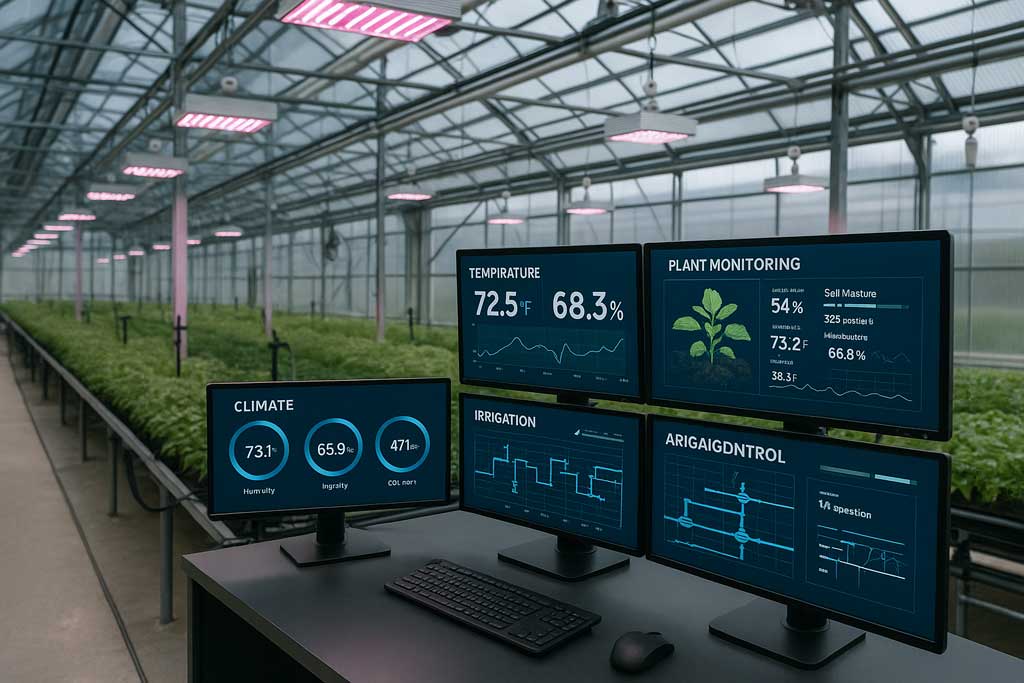
Modern greenhouse automation represents a quantum leap in agricultural efficiency, transforming traditional growing methods into precision-controlled environments. Smart automation systems integrate sensors, controllers, and actuators to create self-managing ecosystems that optimize plant growth while minimizing resource consumption and labor requirements.
These sophisticated systems monitor and adjust multiple environmental parameters simultaneously, creating ideal growing conditions that would be impossible to maintain manually. The result is increased yields, reduced operational costs, and consistent crop quality regardless of external weather conditions.
Core Components of Automation Systems
A comprehensive greenhouse automation system consists of interconnected components that work together to create optimal growing environments. Understanding these components is essential for designing and implementing effective automation solutions.
Environmental Sensors and Monitoring
- Temperature Sensors: Multiple zone monitoring with ±0.1°C accuracy for precise climate control
- Humidity Sensors: Real-time moisture level tracking to prevent condensation and disease
- Light Sensors: Photosynthetically active radiation (PAR) measurement for optimal lighting control
- CO2 Sensors: Carbon dioxide level monitoring for enhanced photosynthesis rates
- Soil Moisture Sensors: Root zone moisture content for precise irrigation scheduling
- pH and EC Sensors: Nutrient solution monitoring for hydroponic systems
Control Systems and Actuators
Control systems serve as the brain of automation setups, processing sensor data and activating appropriate responses through various actuators and mechanical systems.
- Programmable Logic Controllers (PLCs): Industrial-grade controllers for complex automation sequences
- Variable Frequency Drives (VFDs): Precise motor control for fans, pumps, and other equipment
- Motorized Vent Systems: Automatic roof and side vent operation based on temperature and humidity
- Irrigation Controllers: Precise water and nutrient delivery systems with zone-specific control
- Climate Control Actuators: Heating, cooling, and ventilation system integration
Climate Control Automation
Automated climate control represents the foundation of smart greenhouse systems, maintaining optimal growing conditions through continuous monitoring and adjustment of temperature, humidity, and air circulation.
Temperature Management Systems
Sophisticated temperature control systems maintain precise growing conditions by integrating multiple heating and cooling sources with intelligent control algorithms that predict and prevent temperature fluctuations.
Heating System Integration:
- Staged Heating Control: Multiple heating sources activated in sequence based on demand
- Zone-Specific Temperature: Individual area control for different crop requirements
- Predictive Algorithms: Weather-based heating anticipation to prevent temperature drops
- Energy Optimization: Automatic selection of most efficient heating sources
Cooling and Ventilation Automation:
- Natural Ventilation Control: Automatic vent operation based on temperature differentials
- Forced Air Circulation: Fan speed modulation for optimal air movement
- Evaporative Cooling: Automated pad and fan systems for temperature reduction
- Shade System Integration: Automatic shade deployment during high-temperature periods
Humidity Control and Condensation Prevention
Maintaining optimal humidity levels prevents disease development while ensuring ideal growing conditions. Automated humidity control systems balance moisture addition and removal to maintain target levels.
Humidity Management Strategies:
- Dehumidification Systems: Automatic moisture removal during high-humidity periods
- Ventilation-Based Control: Strategic air exchange to manage humidity levels
- Heating Integration: Coordinated heating and ventilation to prevent condensation
- Plant Transpiration Monitoring: Adjustments based on plant moisture release patterns
Irrigation and Fertigation Automation
Automated irrigation systems deliver precise amounts of water and nutrients based on plant needs, soil conditions, and environmental factors. These systems eliminate guesswork and ensure consistent plant nutrition.
Precision Irrigation Control
Modern irrigation automation goes beyond simple timers, incorporating soil moisture sensing, weather data, and plant growth stages to optimize water delivery.
Smart Irrigation Features:
- Soil Moisture-Based Scheduling: Irrigation triggered by actual plant needs rather than timers
- Weather Integration: Automatic adjustments based on humidity and temperature forecasts
- Zone-Specific Control: Individual irrigation scheduling for different crop areas
- Water Conservation: Minimized waste through precise delivery and leak detection
Automated Fertigation Systems
Fertigation automation combines water delivery with precise nutrient dosing, ensuring plants receive optimal nutrition throughout their growth cycle.
Nutrient Management Components:
- Stock Solution Tanks: Concentrated nutrient storage with automatic mixing systems
- pH and EC Controllers: Continuous monitoring and adjustment of nutrient solutions
- Injection Pumps: Precise nutrient dosing based on crop requirements and growth stages
- Backflow Prevention: Safety systems to prevent contamination of water supplies
Lighting Control and Optimization
Automated lighting systems supplement natural sunlight and extend growing seasons through intelligent control of artificial illumination based on plant needs and energy efficiency considerations.
LED Lighting Integration
Modern LED grow light systems offer precise spectral control and energy efficiency, making them ideal for automated greenhouse lighting applications.
Advanced Lighting Features:
- Daylight Integration: Automatic dimming and intensity adjustment based on natural light levels
- Spectral Control: Adjustable light spectra for different growth stages and plant types
- Photoperiod Management: Automated day/night cycles for optimal plant development
- Energy Optimization: Peak demand management and utility rate scheduling
Data Collection and Analytics
Comprehensive data collection enables continuous system optimization and provides insights into crop performance, resource utilization, and operational efficiency.
Monitoring and Reporting Systems
Advanced monitoring systems collect and analyze thousands of data points daily, providing actionable insights for improved growing operations.
Data Analytics Capabilities:
- Real-Time Dashboards: Live monitoring of all system parameters and alerts
- Historical Trending: Long-term data analysis for optimization opportunities
- Predictive Analytics: Forecasting system needs and potential issues
- Performance Benchmarking: Comparison of current operations with historical data
System Integration and Scalability
Modern automation systems are designed for scalability and integration with existing greenhouse infrastructure, allowing for gradual implementation and system expansion.
Communication Protocols and Connectivity
Standardized communication protocols ensure compatibility between different system components and enable remote monitoring and control capabilities.
Connectivity Options:
- Wireless Sensor Networks: Battery-powered sensors with long-range communication
- Internet Connectivity: Remote monitoring and control through web-based interfaces
- Mobile Applications: Smartphone and tablet control for on-the-go management
- Cloud Integration: Data storage and analytics in cloud-based platforms
Cost-Benefit Analysis and ROI
Implementing automation systems requires significant investment, but the returns through increased efficiency, reduced labor costs, and improved yields typically justify the expense within 2-3 years.
Financial Benefits of Automation
Quantifiable Returns:
- Labor Reduction: 40-60% decrease in routine monitoring and control tasks
- Energy Savings: 20-35% reduction in heating and cooling costs through optimization
- Yield Improvements: 15-25% increase in crop production through optimal conditions
- Resource Efficiency: 30-50% reduction in water and fertilizer waste
- Crop Quality: More consistent product quality and reduced crop losses
Implementation Planning and Considerations
Successful automation implementation requires careful planning, proper system design, and consideration of specific growing requirements and facility constraints.
System Design Principles
Effective automation systems are designed with reliability, flexibility, and user-friendliness as primary considerations, ensuring long-term success and operator acceptance.
Design Considerations:
- Phased Implementation: Gradual system installation to minimize disruption
- Redundancy Planning: Backup systems for critical functions
- User Training: Comprehensive operator education and support
- Maintenance Planning: Regular calibration and preventive maintenance schedules
Future Trends in Greenhouse Automation
The future of greenhouse automation lies in artificial intelligence, machine learning, and advanced robotics that will further reduce human intervention while optimizing growing conditions.
Emerging Technologies
Next-Generation Automation:
- AI-Driven Control: Machine learning algorithms that adapt to changing conditions
- Computer Vision: Automated plant health monitoring and pest detection
- Robotic Integration: Automated planting, harvesting, and maintenance tasks
- Blockchain Integration: Supply chain tracking and quality assurance
Smart greenhouse automation represents the future of sustainable agriculture, offering unprecedented control over growing environments while reducing resource consumption and operational costs. As technology continues to advance, these systems will become even more sophisticated and accessible to growers of all sizes.
 English
  Spanish
  French
  German
  Portuguese
  Arabic
  Russian
  Chinese