
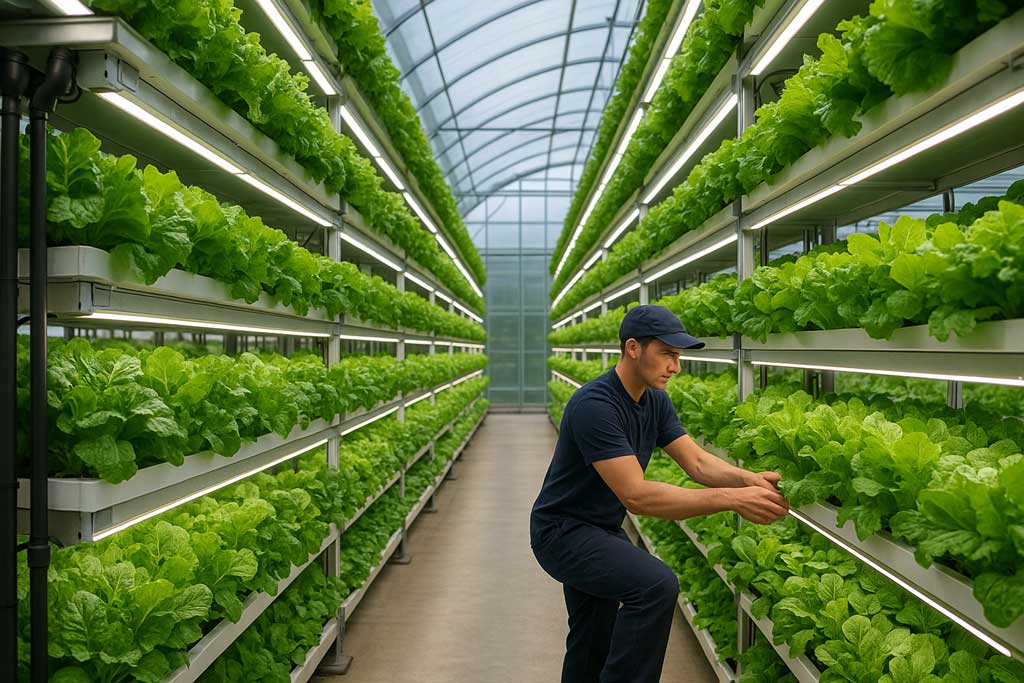
The Science of Companion Planting in Controlled Environments
Companion planting in greenhouse environments represents an advanced growing strategy that leverages beneficial plant interactions to optimize space utilization, enhance pest control, and improve overall crop performance. Unlike outdoor companion planting, greenhouse applications allow for precise control over growing conditions and plant positioning.
The controlled environment of greenhouses intensifies plant interactions, making companion planting effects more pronounced and predictable. Understanding these interactions enables growers to create synergistic plant communities that outperform monoculture systems in both productivity and sustainability.
Benefits of Greenhouse Companion Planting
Companion planting in greenhouse environments provides multiple advantages that directly impact productivity, plant health, and operational efficiency.
Primary Benefits:
- Space Optimization: Vertical and horizontal space utilization through compatible plant combinations
- Natural Pest Control: Biological pest management through beneficial plant interactions
- Improved Plant Health: Enhanced disease resistance through diverse plant communities
- Nutrient Efficiency: Complementary nutrient uptake patterns reduce competition
- Microclimate Creation: Beneficial environmental modifications through plant interactions
- Extended Harvests: Succession planting and intercropping for continuous production
Plant Interaction Mechanisms
Understanding how plants interact in greenhouse environments enables strategic placement that maximizes beneficial relationships while avoiding negative interactions.
Allelopathy and Chemical Interactions
Plants release chemical compounds through roots, leaves, and decomposing material that can either benefit or harm neighboring plants.
Beneficial Chemical Interactions:
- Growth Promoters: Some plants release compounds that stimulate neighboring plant growth
- Disease Suppressors: Natural antifungal and antibacterial compounds from companion plants
- Pest Deterrents: Chemical repellents that protect nearby crops
- Nutrient Enhancers: Compounds that improve nutrient availability for companions
Physical and Structural Interactions
Plant structure and growth habits create physical relationships that can benefit or compete with neighboring plants.
Positive Physical Interactions:
- Living Mulch: Low-growing plants that suppress weeds and conserve moisture
- Natural Trellising: Strong plants supporting climbing companions
- Shade Protection: Taller plants providing beneficial shade for heat-sensitive crops
- Wind Protection: Barriers created by dense plantings
- Root Zone Modifications: Deep-rooted plants improving soil structure for shallow-rooted companions
Pest Control Through Companion Planting
Strategic companion planting provides natural pest management that reduces reliance on chemical controls while maintaining effective pest suppression.
Trap Crops and Decoy Plants
Trap crops attract pests away from main crops, concentrating pest populations where they can be easily managed or eliminated.
Effective Trap Crop Combinations:
- Nasturtiums for Aphids: Highly attractive to aphids, protecting nearby vegetables
- Radishes for Flea Beetles: Draw flea beetles away from brassica crops
- Marigolds for Nematodes: Attract and suppress root-knot nematodes
- Catnip for Various Pests: Repels mosquitoes, ants, and other insects
- Basil for Thrips: Attracts thrips away from tomatoes and peppers
Repellent and Deterrent Plants
Certain plants naturally repel specific pests through chemical compounds or physical characteristics that make the environment less suitable for pest establishment.
Natural Pest Repellent Plants:
- Chrysanthemums: Natural pyrethrin compounds repel many insects
- Mint Family Plants: Strong aromatic compounds deter rodents and insects
- Garlic and Onions: Sulfur compounds repel aphids and many other pests
- Lavender: Essential oils deter moths, fleas, and mosquitoes
- Tansy: Repels ants, mice, and flying insects
Beneficial Insect Habitat Creation
Companion plants can provide habitat and food sources for beneficial insects that control pest populations naturally.
Plants Supporting Beneficial Insects:
- Flowering Herbs: Provide nectar sources for parasitic wasps and predatory insects
- Umbelliferous Plants: Dill, fennel, and parsley attract beneficial predators
- Composite Flowers: Sunflowers and cosmos support ladybugs and lacewings
- Native Plants: Local species support indigenous beneficial insect populations
Space Optimization Strategies
Companion planting in greenhouses maximizes space utilization through strategic combinations that use different growth habits, rooting patterns, and timing.
Vertical Companion Planting
Combining plants with different heights and growth habits creates multiple production layers within the same growing space.
Vertical Combinations:
- Tomatoes with Basil: Vertical tomatoes with low-growing basil underneath
- Cucumbers with Lettuce: Climbing cucumbers providing shade for cool-season greens
- Pole Beans with Squash: Vertical beans with spreading squash ground cover
- Peppers with Herbs: Upright peppers with spreading oregano or thyme
Intercropping Systems
Intercropping involves growing two or more crops simultaneously in the same space, often with different maturation times or space requirements.
Successful Intercropping Combinations:
- Fast and Slow Crops: Quick-maturing radishes between slow-growing carrots
- Deep and Shallow Roots: Deep-rooted plants with shallow-rooted companions
- Different Nutrient Needs: Heavy feeders with light feeders to reduce competition
- Complementary Growth Habits: Upright plants with spreading ground covers
Succession Companion Planting
Sequential planting of companions at different times maximizes space utilization and provides continuous harvests.
Succession Strategies:
- Early-Late Combinations: Cool-season crops followed by warm-season plants
- Quick-Turn Intercropping: Multiple fast-growing crops between main crop plantings
- Living Mulch Transitions: Ground covers that transition to main crops
- Relay Planting: New plants started before previous crops are harvested
Nutrient Management in Companion Systems
Strategic companion planting can improve nutrient efficiency by combining plants with complementary nutritional needs and contributions.
Nitrogen-Fixing Partnerships
Leguminous plants fix atmospheric nitrogen, providing this essential nutrient to companion plants through root associations and decomposition.
Nitrogen-Fixing Companions:
- Bush Beans with Corn: Beans provide nitrogen for heavy-feeding corn
- Peas with Brassicas: Nitrogen fixation benefits cabbage family crops
- Clover as Living Mulch: Continuous nitrogen supply for companion vegetables
- Alfalfa Intercropping: Deep-rooted nitrogen fixation for perennial systems
Nutrient Accumulator Plants
Some plants accumulate specific nutrients from deep soil layers, making them available to shallow-rooted companions through leaf drop and decomposition.
Dynamic Accumulator Plants:
- Comfrey: Accumulates potassium, phosphorus, and other nutrients
- Dandelion: Brings up nutrients from deep soil layers
- Nettle: Concentrates nitrogen, iron, and trace minerals
- Plantain: Accumulates silica and other trace elements
Microclimate Management
Companion plants can modify local growing conditions to create beneficial microclimates for neighboring crops.
Humidity and Temperature Modification
Strategic plant placement can create zones of different humidity and temperature that benefit specific crops.
Microclimate Modifications:
- Transpiration Cooling: High-transpiration plants cooling surrounding areas
- Humidity Buffers: Plants that moderate humidity fluctuations
- Heat Islands: Dark-leaved plants absorbing heat for heat-loving companions
- Wind Breaks: Dense plantings reducing air movement in sensitive areas
Light Management
Companion plants can provide beneficial shade or reflect light to optimize growing conditions for different crops.
Light Modification Strategies:
- Shade Providers: Tall plants protecting heat-sensitive crops
- Light Reflectors: Light-colored plants increasing available light
- Dappled Shade: Filtered light through companion canopies
- Ground Reflection: Light-colored mulch plants reflecting light upward
Disease Prevention Through Diversity
Plant diversity in companion systems reduces disease pressure by interrupting disease cycles and creating less favorable conditions for pathogen development.
Pathogen Disruption
Mixed plantings disrupt disease transmission by breaking up monocultures that allow rapid pathogen spread.
Disease Prevention Strategies:
- Host Interruption: Non-host plants breaking disease transmission paths
- Biological Suppression: Beneficial microorganisms from diverse plant rhizospheres
- Environmental Modification: Changed conditions that reduce pathogen viability
- Physical Barriers: Plants creating barriers to disease splash and spread
Immune System Enhancement
Some companion plants can enhance the disease resistance of neighboring crops through chemical signals and root interactions.
Resistance-Enhancing Companions:
- Marigolds: Release compounds that enhance tomato disease resistance
- Chives: Improve disease resistance in roses and fruit trees
- Sage: Enhances disease resistance in cabbage family crops
- Thyme: Provides antifungal benefits to neighboring vegetables
Specific Companion Planting Systems
Proven companion planting systems provide tested combinations that deliver reliable results in greenhouse environments.
The Three Sisters System
The traditional corn, beans, and squash combination adapted for greenhouse production provides mutual benefits and space efficiency.
Three Sisters Benefits:
- Corn: Provides vertical support structure for climbing beans
- Beans: Fix nitrogen for heavy-feeding corn and squash
- Squash: Large leaves create living mulch and pest deterrent
- Space Efficiency: Three crops in the space typically used for one
Tomato Companion Systems
Tomatoes benefit from specific companions that improve growth, flavor, and pest resistance.
Proven Tomato Companions:
- Basil: Improves flavor and repels aphids and hornworms
- Marigolds: Suppress nematodes and attract beneficial insects
- Nasturtiums: Trap crop for aphids and whiteflies
- Chives: Improve flavor and provide pest deterrent effects
- Parsley: Attracts beneficial insects without competing for space
Lettuce and Greens Systems
Leafy greens benefit from companions that provide shade, pest control, and soil improvement.
Greens Companion Combinations:
- Lettuce with Chives: Pest control and space-efficient combination
- Spinach with Strawberries: Beneficial ground cover and pest deterrent
- Arugula with Beans: Nitrogen fixation benefits and complementary growth
- Kale with Herbs: Aromatic herbs deterring brassica pests
Layout Design and Planning
Successful companion planting requires careful layout design that considers plant spacing, growth habits, and maintenance requirements.
Spatial Arrangement Principles
Effective layouts balance the needs of all companion plants while maximizing beneficial interactions.
Design Considerations:
- Plant Spacing: Adequate room for each plant while promoting beneficial interactions
- Height Gradients: Arranging plants to optimize light distribution
- Access Paths: Maintenance and harvest accessibility
- Growth Timing: Coordinating planting and harvest schedules
- Support Systems: Infrastructure for climbing and vertical plants
Bed Design and Organization
Organized bed systems facilitate companion planting while maintaining efficient production workflows.
Bed Layout Strategies:
- Mixed Beds: Multiple species integrated throughout growing areas
- Border Plantings: Beneficial plants around main crop perimeters
- Nurse Plants: Temporary companions that benefit establishment
- Permanent Companions: Long-term associations for continuous benefits
Timing and Scheduling
Successful companion planting requires careful timing to ensure plants are at appropriate growth stages for beneficial interactions.
Synchronous Planting
Some companions work best when planted simultaneously and grown together throughout their lifecycle.
Simultaneous Planting Examples:
- Corn and Beans: Planted together for mutual support and nitrogen fixation
- Tomatoes and Basil: Grown together for continuous pest protection
- Lettuce and Chives: Companion herbs providing ongoing benefits
Staggered Planting Schedules
Sequential planting allows for succession harvests and optimal resource utilization.
Staggered Planting Benefits:
- Continuous Harvest: Overlapping maturation times for steady production
- Resource Optimization: Sequential use of space and nutrients
- Risk Distribution: Reduced risk from any single planting failure
- Market Timing: Production aligned with market demands
Monitoring and Management
Companion planting systems require ongoing monitoring to ensure beneficial interactions are maintained and problems are addressed promptly.
Performance Assessment
Regular evaluation of companion performance enables optimization and problem identification.
Monitoring Parameters:
- Growth Rates: Comparing companion and monoculture performance
- Pest Levels: Tracking pest populations in companion systems
- Disease Incidence: Monitoring disease development and spread
- Yield Comparisons: Measuring productivity gains from companion planting
- Quality Metrics: Assessing crop quality improvements
Adaptive Management
Flexible management approaches allow for adjustments based on observed performance and changing conditions.
Management Adjustments:
- Companion Selection: Modifying plant combinations based on results
- Spacing Adjustments: Optimizing plant distances for better interactions
- Timing Modifications: Adjusting planting schedules for better synchronization
- Cultural Practices: Modifying care practices for companion systems
Economic Analysis of Companion Systems
Companion planting can improve economic returns through increased productivity, reduced inputs, and premium market positioning.
Cost-Benefit Analysis
Understanding the economic impacts of companion planting enables informed decision-making about system implementation.
Economic Benefits:
- Increased Yields: Higher production per unit area through space optimization
- Reduced Inputs: Lower pesticide and fertilizer costs through natural systems
- Premium Markets: Access to organic and sustainable market premiums
- Risk Reduction: Diversified production reducing crop loss risks
- Labor Efficiency: Integrated systems reducing separate management tasks
Market Advantages
Companion planting can provide marketing advantages through diversified products and sustainable production practices.
Marketing Benefits:
- Product Diversity: Multiple crops from single growing systems
- Sustainable Branding: Environmental benefits attracting conscious consumers
- Fresh Herb Sales: High-value herbs as companion crops
- Educational Value: Demonstration systems for agritourism
Companion planting in greenhouse environments represents an advanced growing strategy that leverages natural plant relationships to optimize production, reduce inputs, and improve sustainability. Success requires understanding plant interactions, careful planning, and ongoing management to realize the full potential of these synergistic growing systems. When properly implemented, companion planting transforms greenhouse operations from simple crop production to complex, efficient ecosystems that deliver superior results while supporting environmental stewardship.
 English
  Spanish
  French
  German
  Portuguese
  Arabic
  Russian
  Chinese