When you step into your greenhouse, you’re entering a carefully crafted ecosystem where every element works together to create the perfect growing environment. Among all the design considerations, the placement of doors and windows stands out as one of the most critical factors that can make or break your greenhouse’s performance. Getting these openings right means better airflow, optimal temperature control, and healthier plants—get them wrong, and you’ll be constantly battling temperature extremes, poor ventilation, and uneven growth. Whether you’re planning a new greenhouse or looking to optimize your current setup, understanding the science behind door and window placement will transform how you approach greenhouse gardening.
The Fundamentals of Greenhouse Airflow
Before we dive into specific placement strategies, it’s essential to understand how air moves through your greenhouse. Warm air naturally rises while cooler air sinks, creating convection currents that can either work for or against your ventilation goals. Proper door and window placement harnesses these natural movements to create consistent airflow patterns that prevent hot spots, reduce humidity buildup, and ensure carbon dioxide reaches all your plants. Think of your greenhouse as a living, breathing organism—the doors and windows serve as its lungs, constantly exchanging stale interior air with fresh outside air. This exchange is crucial for preventing fungal diseases, strengthening plant stems, and maintaining optimal growing conditions throughout the year.
Door Placement: Your Primary Access Point
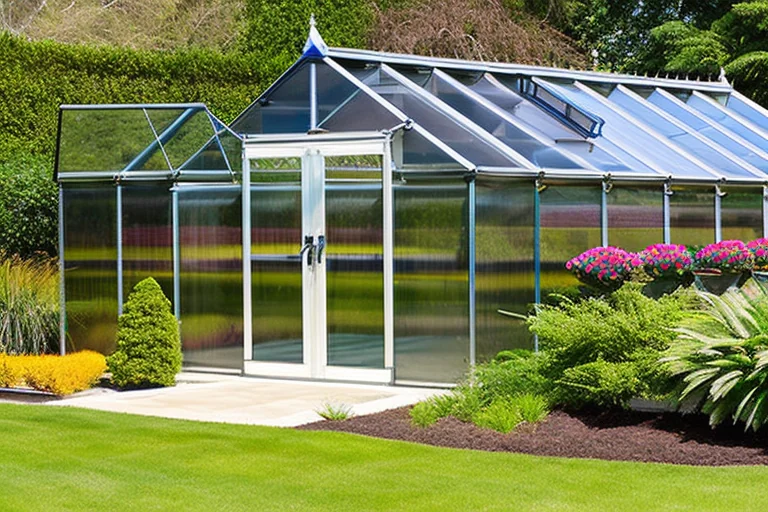
Your greenhouse door serves dual purposes: it’s both your main entrance and a critical ventilation component. The ideal door placement depends heavily on your local wind patterns. In most regions, positioning the door on the side opposite the prevailing winds creates what’s known as the venturi effect, where wind blowing across the door opening actually pulls air out of the greenhouse. This creates excellent passive ventilation without any energy consumption. For larger greenhouses, consider installing double doors or a door at each end to create through-draft ventilation. Remember to position doors where they won’t interfere with your planting layout or workspace—you’ll want clear access without having to navigate around delicate plants or equipment.
Window Positioning Strategies
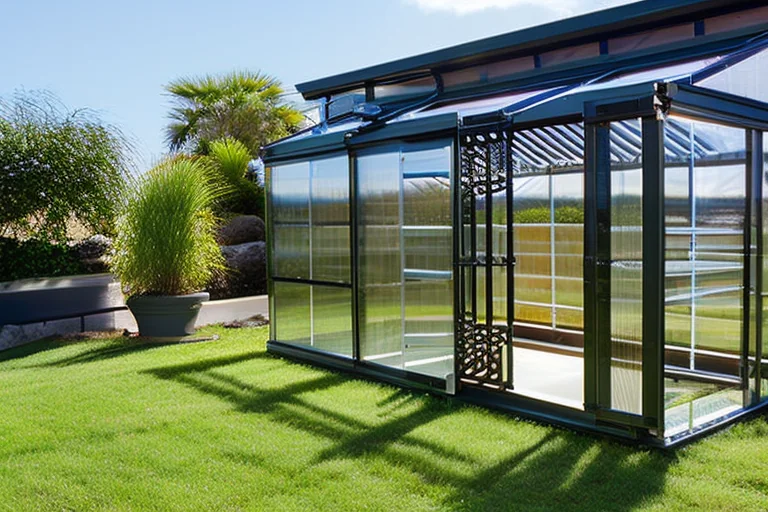
Windows are your precision tools for climate control, and their placement requires careful consideration of both function and practicality. Roof vents should be positioned along the ridge line where hot air naturally accumulates—this allows heat to escape efficiently during warm months. Side windows work best when placed at plant level or slightly above to ensure good air circulation around your crops. For maximum effectiveness, position operable windows on opposite sides of the greenhouse to create cross-ventilation. The size of your windows matters too—as a general rule, your total vent area should equal at least 20-30% of your floor space for adequate air exchange. Automated window openers that respond to temperature changes are worth the investment, ensuring consistent ventilation even when you’re not around to monitor conditions.
Considering Sun Path and Seasonal Changes
Don’t forget to account for the sun’s changing path throughout the year when placing windows. South-facing windows capture maximum winter sun but may need shading during summer months. East-facing windows provide gentle morning light perfect for seedlings, while west-facing windows catch intense afternoon heat that might require additional ventilation. If you’re in a particularly hot climate, consider placing more windows on the north side to admit light without excessive heat gain. Remember that the sun’s angle changes significantly between seasons—what works perfectly in June might create overheating issues in August. Adjustable louvers or removable insulation panels can help you adapt to these seasonal shifts.
Practical Considerations for Installation
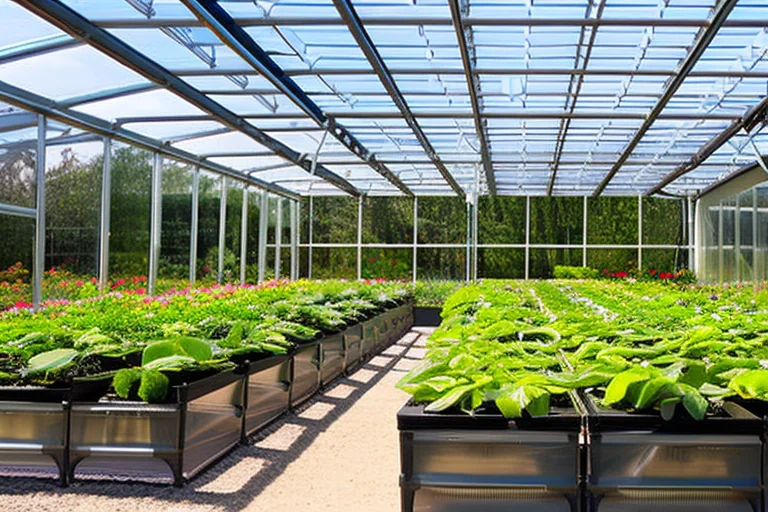
While ideal placement is important, practical considerations often dictate final decisions. Ensure doors are wide enough for equipment access—wheelbarrows, carts, and eventually large harvests need to move through comfortably. Consider installing screen doors to keep pests out while maintaining ventilation. For windows, think about maintenance access; operable windows should be reachable for cleaning and repairs. The structural integrity of your greenhouse must remain paramount—never compromise support beams or framework to accommodate additional openings. If you’re retrofitting an existing greenhouse, consult with a structural engineer before cutting new openings, as this can affect the overall stability of your structure.
Common Mistakes to Avoid
Even experienced gardeners make placement errors that compromise their greenhouse’s efficiency. The most common mistake is placing all ventilation on one side, creating dead air zones where mold and mildew thrive. Another frequent error is installing windows too high—while heat rises, you need air movement at plant level to prevent disease. Avoid placing doors where they’ll create wind tunnels that damage delicate plants, and never position openings where they’ll allow rainwater to drip directly onto plants or electrical equipment. Remember that every opening represents potential heat loss in winter, so balance your ventilation needs with insulation requirements based on your local climate.
Integrating Technology with Traditional Design
Modern technology offers exciting opportunities to enhance traditional door and window placement strategies. Automated systems can open and close vents based on temperature thresholds, maintaining perfect conditions around the clock. Solar-powered vent openers eliminate wiring concerns while providing reliable operation. For larger operations, consider computer-controlled systems that coordinate multiple vents, fans, and shading systems based on real-time environmental data. Even simple additions like insect screens, rain sensors, or wind triggers can dramatically improve your ventilation system’s effectiveness. The goal is to create a responsive environment that requires minimal intervention while delivering optimal growing conditions.
Ready to transform your greenhouse with perfectly placed doors and windows? Our team of greenhouse experts can help you design a ventilation system that meets your specific growing needs and local climate conditions. Contact Our Greenhouse Experts today for personalized advice on creating the ideal environment for your plants to thrive. We’ll help you avoid common pitfalls and implement strategies that maximize both productivity and enjoyment in your growing space.
 English
  Spanish
  French
  German
  Portuguese
  Arabic
  Russian
  Chinese