
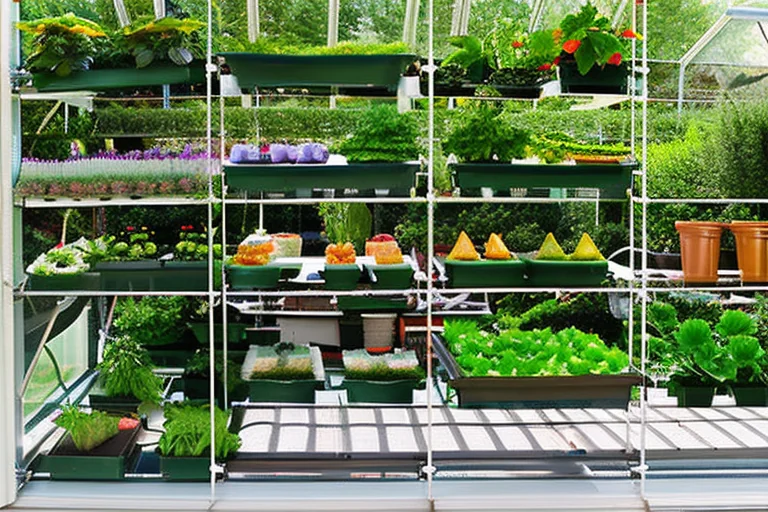
There’s something truly magical about watching a single leaf or stem transform into an entirely new plant. Propagation isn’t just about saving money or expanding your collection—it’s about connecting with the very essence of plant life and participating in the cycle of growth. For greenhouse owners, propagation becomes an art form, where controlled environments allow for higher success rates and faster growth. Whether you’re looking to duplicate your favorite heirloom tomatoes, create more of those stunning ornamental shrubs, or simply share plants with gardening friends, mastering propagation techniques will transform how you interact with your greenhouse and dramatically increase your gardening satisfaction.
Understanding the Basics of Plant Propagation
Before we dive into specific techniques, it’s important to understand why propagation works and what conditions plants need to successfully create new growth. Plants have remarkable regenerative abilities because of meristematic cells—undifferentiated cells that can develop into various plant organs. When you take a cutting or divide a plant, you’re essentially triggering these cells to develop roots, stems, or leaves depending on the conditions you provide. The key to successful propagation lies in maintaining the right balance of moisture, temperature, and oxygen while preventing disease and rot.
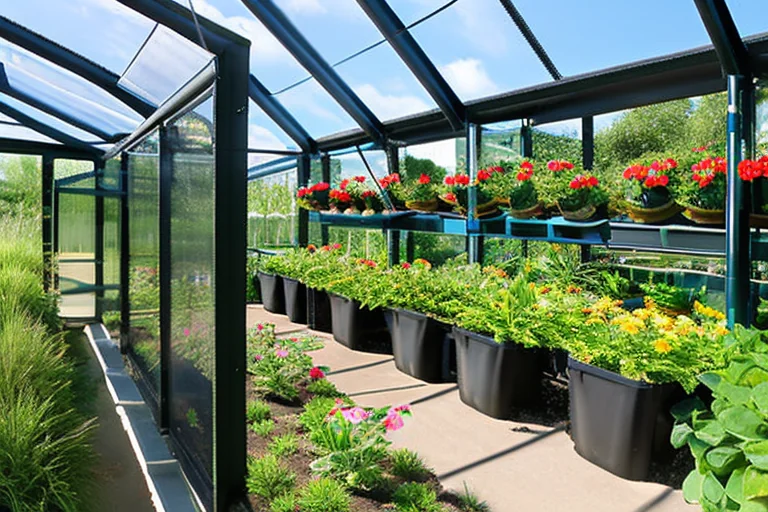
Your greenhouse provides the perfect environment for propagation because it offers control over these critical factors. The consistent temperatures, protection from harsh weather, and ability to maintain high humidity levels create ideal conditions for encouraging root development and new growth. Different plants respond best to different propagation methods, so understanding which technique to use for specific plant types will significantly increase your success rate.
Stem Cutting Propagation: The Most Popular Method
Stem cuttings are probably the most common propagation method because they work for a huge variety of plants including herbs, houseplants, shrubs, and many vegetables. The process involves taking a section of stem with several nodes (where leaves emerge) and encouraging it to develop roots. For best results, take cuttings in the morning when plants are fully hydrated. Use sharp, sterilized pruning shears to make clean cuts just below a node, as this is where root development is most likely to occur.
Remove the lower leaves to prevent them from rotting in the propagation medium, but leave enough foliage to support photosynthesis. Many gardeners use rooting hormone powder or gel to encourage faster root development, though this isn’t always necessary. Insert the cuttings into your chosen propagation medium—perlite, vermiculite, coarse sand, or a specialized seed starting mix all work well. Maintain consistent moisture without waterlogging, and provide bright, indirect light. Most stem cuttings will develop roots within 2-8 weeks depending on the plant species and environmental conditions.
Leaf Cutting Propagation for Succulents and Certain Houseplants
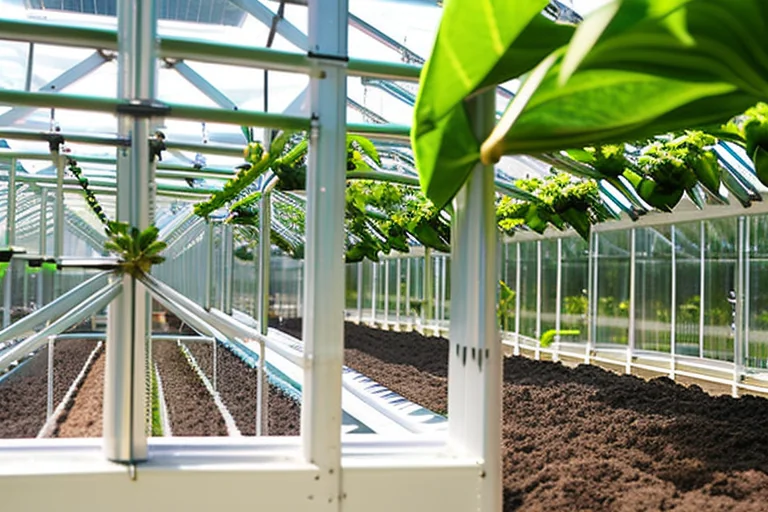
Some plants can be propagated from single leaves or leaf sections, making this an incredibly efficient way to create many new plants from one parent. This method works particularly well for succulents, begonias, snake plants, and African violets. For succulents, simply twist off healthy leaves, allow the cut end to callous over for a day or two, then place them on top of well-draining soil. Mist occasionally until tiny plantlets form at the base of the leaf.
For plants like African violets and begonias, you can propagate by taking a healthy leaf with its petiole (leaf stem) intact. Insert the petiole into your propagation medium at a slight angle, keeping the leaf blade above the surface. Maintain high humidity around the cutting by using a plastic dome or placing it in a propagation tray with a cover. Leaf cuttings typically take longer to develop into established plants than stem cuttings, but they’re incredibly rewarding to watch as new growth emerges from what was once just a single leaf.
Division: Multiplying Perennials and Grasses
Division is perhaps the simplest propagation method and works beautifully for perennial plants that form clumps or develop multiple crowns. This includes hostas, ornamental grasses, daylilies, ferns, and many flowering perennials. The best time to divide plants is typically in early spring as new growth begins or in fall when temperatures cool. Carefully dig up the entire plant, preserving as much of the root system as possible.
Using your hands, a sharp knife, or two garden forks placed back-to-back, separate the plant into smaller sections. Each division should have several healthy shoots and a good portion of roots. Replant the divisions immediately, watering them well to help establish their new root systems. Division not only creates new plants but also rejuvenates older specimens that may have become overcrowded or less vigorous. For greenhouse growers, this means you can quickly fill benches with mature plants ready for growing on or selling.
Layering Techniques for Hard-to-Root Plants
Some plants prove challenging to propagate through cuttings but respond beautifully to layering techniques. Layering involves encouraging roots to form on a stem while it’s still attached to the parent plant, ensuring a continuous supply of water and nutrients during the rooting process. Simple layering involves bending a low-growing stem to the ground, wounding it slightly where it touches the soil, and burying that section while keeping the tip exposed.
Air layering is another excellent technique for plants with woody stems that don’t bend easily. Make an upward slanting cut about one-third through a stem, insert a toothpick to keep the wound open, apply rooting hormone, and wrap the area with moist sphagnum moss. Cover with plastic wrap to maintain moisture and wait for roots to develop before severing the new plant from the parent. Both methods have high success rates because the developing plant remains connected to its parent until it establishes its own root system.
Seed Starting: The Foundation of Plant Propagation
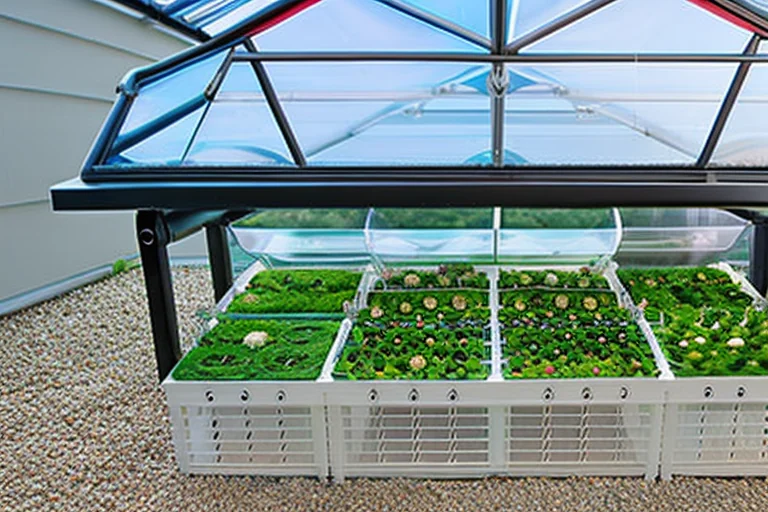
While vegetative propagation methods create clones of the parent plant, growing from seed introduces genetic diversity and allows you to grow varieties that might not be available as plants. Successful seed starting begins with quality seeds, proper timing, and the right growing medium. Use sterile seed starting mix rather than garden soil to prevent disease issues. Most seeds need consistent moisture and warmth to germinate—a agricultural greenhouse provides the perfect controlled environment for starting seeds earlier in the season and protecting delicate seedlings.
Pay attention to each plant’s specific requirements—some seeds need light to germinate and should be surface-sown, while others require darkness and should be buried at the recommended depth. Using a heat mat under your propagation trays can significantly improve germination rates for heat-loving plants like tomatoes and peppers. Once seedlings emerge, provide plenty of light to prevent leggy growth—supplemental grow lights are often necessary even in a greenhouse, especially during the shorter days of early spring.
Creating the Ideal Propagation Environment
Successful propagation depends heavily on creating and maintaining the right environmental conditions. Humidity is critical for preventing cuttings from drying out before they develop roots. Most cuttings benefit from 70-100% humidity during the initial rooting phase. You can achieve this with propagation domes, mist systems, or simply by placing cuttings in a sealed plastic bag or container. However, adequate air circulation is equally important to prevent fungal diseases—balance is key.
Temperature significantly affects rooting speed. Most plants root best when the propagation medium is slightly warmer than the air temperature—around 70-75°F is ideal for many species. Bottom heat from propagation mats can accelerate rooting by 2-3 times. Light is another critical factor—cuttings need bright, indirect light. Too much direct sun can cook them, while insufficient light will slow rooting and may cause cuttings to drop leaves. In your greenhouse, you might need to provide shade during the brightest parts of the day or supplemental lighting during cloudy periods.
Aftercare: Transitioning New Plants to Independent Growth
The propagation process doesn’t end when roots appear—transitioning newly rooted plants to independent growth requires careful attention. Once cuttings have developed a good root system (usually when roots are 1-2 inches long), they need to be gradually acclimated to lower humidity conditions. This process, called hardening off, involves gradually increasing ventilation over several days to allow plants to adjust to normal greenhouse conditions.
When potting up new plants, use an appropriate growing medium—something well-draining but with more nutrients than your propagation mix. Water carefully after transplanting, as the young root systems are still delicate and prone to rot if kept too wet. Provide protection from extreme conditions while the plants establish themselves in their new containers. With proper aftercare, your propagated plants will quickly grow into robust specimens ready for the garden or for sharing with fellow plant enthusiasts.
Ready to take your propagation skills to the next level? Whether you’re looking to expand your current greenhouse setup or need advice on creating the perfect propagation environment, our team is here to help. Chat with us on WhatsApp about greenhouse solutions and let’s discuss how to optimize your space for maximum propagation success. Our experts can help you choose the right equipment, layout, and environmental controls to make your plant multiplication efforts more productive and enjoyable.
 English
  Spanish
  French
  German
  Portuguese
  Arabic
  Russian
  Chinese