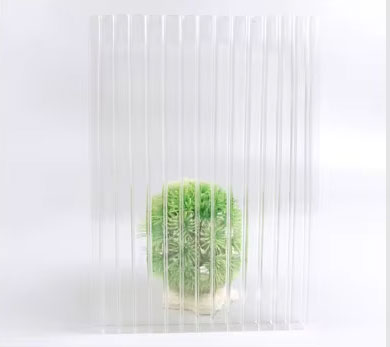
For decades, greenhouse growers have battled a persistent enemy: condensation. Water droplets forming on the interior surface of glazing materials can significantly reduce light transmission, drip onto delicate plants, and create an environment ripe for fungal diseases. However, the evolution of greenhouse technology has brought forth a powerful solution: **8mm twin-wall polycarbonate panels featuring advanced anti-fog coatings.
At Polygreenhouse, we understand that optimal growing conditions depend on cutting-edge materials. This deep dive explores the science behind anti-fog polycarbonate, why the 8mm twin-wall structure is ideal, and how this technology is fundamentally changing greenhouse design and efficiency.
The Critical Role of Anti-Fog Technology in Plant Health
In a high-humidity environment like a greenhouse, warm, moist air inevitably meets the cooler interior surface of the roof, leading to condensation. While standard polycarbonate offers excellent insulation, it is susceptible to droplet formation. This is where the anti-fog coating steps in.
How Anti-Drip Coatings Work: A Technical Advantage
The anti-fog (or anti-drip) coating is not merely a surface treatment; it’s a sophisticated technological layer, often applied using advanced processes like infrared treatment and high-quality resins (such as Markrolon). This process creates a thin, high-density layer on the inner surface of the panel.
Instead of allowing water vapor to coalesce into large, light-blocking droplets, this coating drastically **increases the surface tension of the material. This forces the moisture to spread out into a thin, uniform sheet of water. This phenomenon—known as “sheeting”—has two major benefits:
- Maximized Light Transmission: A continuous sheet of water allows significantly more light to pass through than scattered droplets, ensuring plants receive the maximum possible Photosynthetically Active Radiation (PAR).
- Disease Prevention: By preventing cold, large droplets from falling directly onto plants, the risk of localized chilling and the spread of waterborne pathogens is minimized.
Even under challenging conditions—such as an outdoor temperature of 0°C and an indoor temperature of 23°C with 80% humidity—high-quality anti-fog panels are designed to prevent visible condensation, maintaining a clear view and optimal growth conditions.
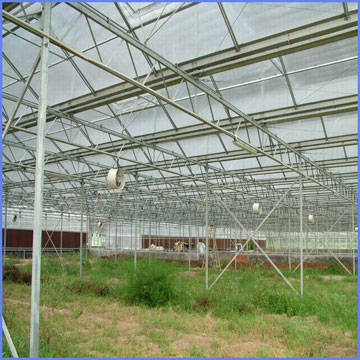
The Superiority of 8mm Twin-Wall Polycarbonate
While the anti-fog coating is crucial, the structural design of the panel itself—specifically the 8mm twin-wall configuration—provides the foundational performance necessary for a successful greenhouse.
Insulation and Energy Efficiency
The “twin-wall” structure refers to two layers of polycarbonate separated by an air cavity. This trapped air acts as a highly effective insulator. The 8mm thickness strikes an excellent balance between cost-effectiveness and thermal performance, significantly reducing heat loss compared to single-pane glass or thin plastic films. This translates directly into lower heating costs during colder months and helps maintain a stable internal temperature, which is vital for sensitive crops.
Unmatched Durability and Lightweight Design
Polycarbonate is often nicknamed “unbreakable glass” for good reason. It boasts exceptional impact strength, capable of withstanding extreme weather events like hail, heavy snow, and strong winds. Solid polycarbonate is up to 200 times stronger than glass, and even the hollow twin-wall profiles are 80 times stronger than glass.
Crucially, polycarbonate achieves this strength while remaining incredibly light—roughly 1/12th the weight of glass of the same thickness. This lightweight nature simplifies installation, reduces the structural load required for the greenhouse frame, and lowers overall construction costs.
Optimizing Light Transmission and UV Protection
Modern clear polycarbonate sheets offer excellent light transparency, with solar transmission rates often exceeding 85%. This ensures that plants receive the necessary spectrum of light for robust photosynthesis. Furthermore, high-quality panels include a dedicated UV-protected outer layer. This layer shields the panel material from degradation caused by sunlight, ensuring a long lifespan (often backed by a 10-year warranty), while also protecting your plants from harmful UV radiation.
Installation Best Practices for Anti-Drip Panels
To maximize the performance of your anti-fog panels, correct installation is non-negotiable. The key difference when handling anti-drip sheets is orientation:
- Orientation is Key: Ensure the anti-fog side faces the interior of the greenhouse. Manufacturers typically mark the UV-protected side (facing out) and the anti-drip side (facing in) with distinct protective films.
- Allow for Movement: Polycarbonate expands and contracts significantly with temperature fluctuations. Always leave at least 3 mm of space around the edges for expansion.
- Proper Sealing: Use specialized anti-dust tape on the bottom edges to allow any condensation (which is now sheeting down) to drain out, and use aluminum tape on the top edges to prevent dirt and moisture ingress.
- Use Appropriate Fasteners: Use screws specifically designed for polycarbonate, often featuring rubber washers, and avoid overtightening to prevent crushing the sheet.
Ready to Invest in Superior Glazing?
The shift to advanced 8mm twin-wall polycarbonate with anti-fog coating represents a significant step forward in optimizing greenhouse environments. By eliminating disruptive condensation, maximizing light input, and providing unparalleled durability, these panels ensure a stable, healthy, and high-yielding space for your crops.
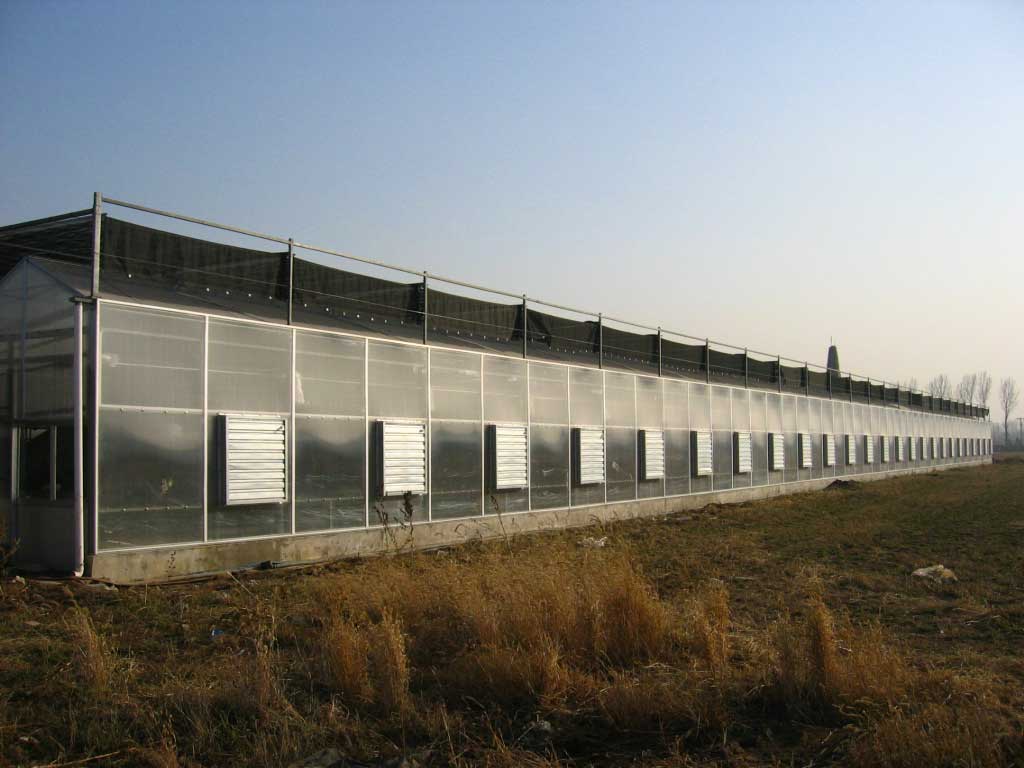
If you are looking to upgrade your Polygreenhouse with the best available technology, we highly recommend exploring specific product solutions designed for professional growing operations. For detailed specifications, including weight (1.5kg/m²) and structural advantages, consider GOODLIFE premium offering:
Explore the 8mm Greenhouse Polycarbonate Panels – Anti-Fog Coating
Investing in high-quality materials like these 8mm twin-wall panels is an investment in the long-term health and productivity of your greenhouse.
 English
  Spanish
  French
  German
  Portuguese
  Arabic
  Russian
  Chinese