
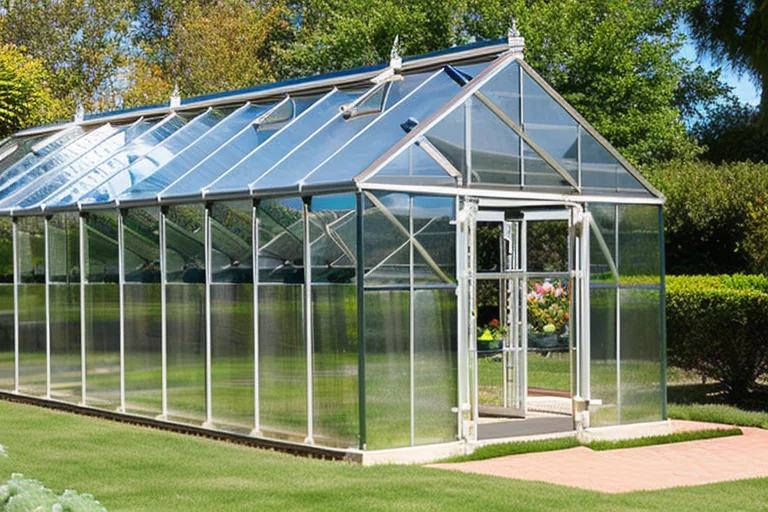
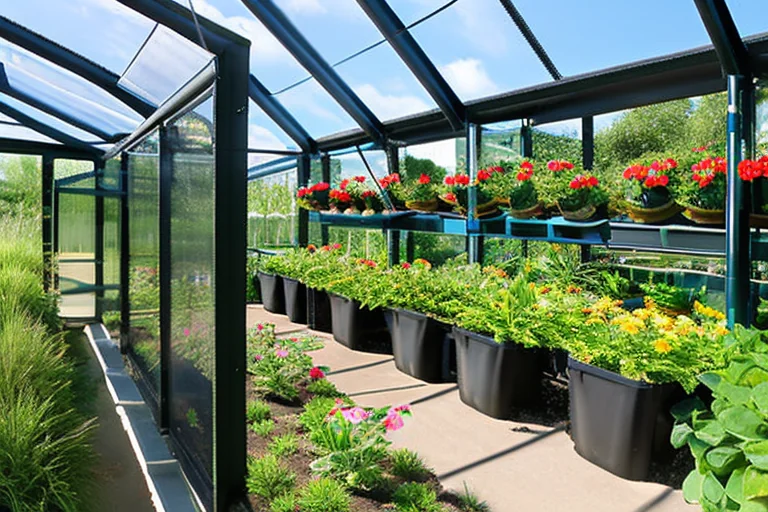
For any gardener or grower, the dream is a thriving, vibrant oasis where plants reach their full potential. While a sturdy polycarbonate greenhouse provides the protective shell, the true magic—and the key to unlocking that potential—lies in mastering the interior climate. Advanced ventilation technology and automated systems are no longer just luxuries for commercial operations; they are essential tools for the serious home gardener and small-scale grower. These technologies move us from simply reacting to the weather to proactively crafting the perfect environment for our plants, 24 hours a day, 365 days a year. This control translates directly to healthier plants, higher yields, and a gardening experience that is both more successful and significantly less stressful.
The Critical Role of Ventilation in a Sealed Environment
Think of your greenhouse not just as a sun trap, but as a living, breathing ecosystem. Without deliberate air exchange, it can quickly become a hostile environment. Stagnant, humid air is a breeding ground for fungal diseases like powdery mildew and botrytis. Excessive heat can scorch leaves, stunt growth, and cause blossoms to drop before they can set fruit. Perhaps most crucially, plants need a constant supply of carbon dioxide (CO2) for photosynthesis. In a closed space during the day, plants can deplete the available CO2, putting the brakes on their growth. Effective ventilation solves all these problems at once. It exhausts hot, moisture-laden air, draws in cooler, drier air, and replenishes the CO2 supply. This constant, gentle exchange strengthens plant stems, aids in pollination by encouraging air movement, and creates an overall environment where pests and diseases struggle to gain a foothold.
Core Components of an Advanced Ventilation System
A sophisticated setup goes beyond just cracking open a door. It involves a strategic combination of passive and active elements designed to work together. The foundation is often passive ventilation, which uses natural thermal dynamics. Ridge vents installed at the peak of the roof allow the hottest air to escape. For this to work efficiently, you need intake vents lower down, typically in the form of sidewall louvers or base vents. This creates a “chimney effect,” where cool air enters low, heats up, and rises out the top, creating a continuous flow. In larger or more densely planted greenhouses, passive systems may need a boost. This is where active ventilation comes in. Exhaust fans, often paired with motorized shutters, can be programmed to turn on when temperatures exceed a set point, forcibly pulling air out. To ensure balanced air intake, intake fans or properly sized motorized louvers on the opposite wall bring in fresh air. For those with space constraints, a wall-mounted polycarbonate greenhouse can benefit immensely from automated roof vents and lower side vents to create this crucial vertical air movement against the supporting structure.
The Brain of the Operation: Sensors and Controllers
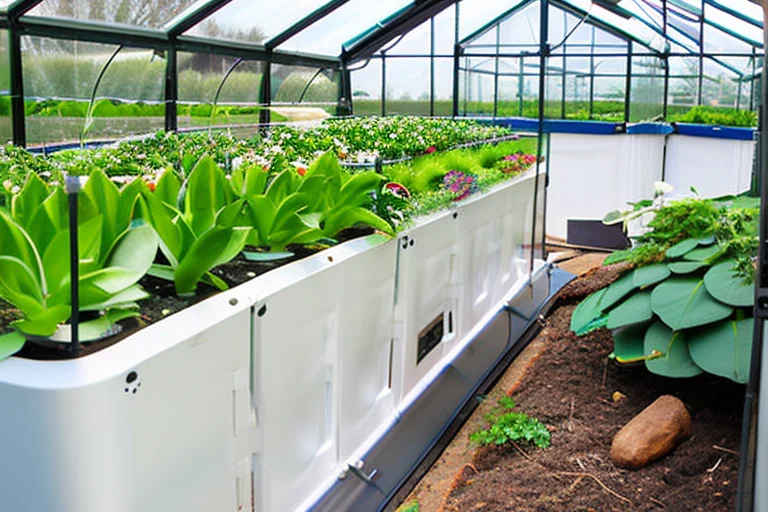
Automation is what transforms a collection of vents and fans into an intelligent climate control system. It all starts with data. Modern sensors, often housed in a radiation shield for accurate readings, continuously monitor key parameters: temperature, humidity, light intensity, and sometimes even CO2 levels and soil moisture. This data is fed to a central controller, the true brain of the operation. These controllers range from simple single-channel thermostats to sophisticated multi-zone computers with digital displays and Wi-Fi connectivity. The grower sets the desired parameters—for example, a temperature range of 70-80°F (21-27°C) and humidity below 70%. The controller then compares the sensor data to these setpoints and sends signals to the various actuators in the system to make adjustments, all without you needing to be present.
Actuators and Automated Hardware
These are the muscles that carry out the controller’s commands. The most common are thermal actuators or linear motors for opening and closing roof vents and side louvers. These devices contain a wax or oil that expands with heat, physically pushing the vent open, and contract as it cools, allowing it to close. For more precise control, electronic motors connected to the central controller can be used. Similarly, exhaust and circulation fans are wired through the controller, which can stage their operation—turning on one fan at a slight temperature rise, then activating a second fan if more cooling power is needed. For humidity control, the system can trigger a misting system or a humidifier, and for heating, it can modulate a heater or open vents to prevent overheating on sunny winter days.
Designing and Integrating Your Automated System
Implementing advanced ventilation doesn’t have to be an all-or-nothing proposition. You can start small and build up. The first step is an honest assessment of your greenhouse’s current ventilation capacity and your own pain points. Are you constantly rushing home to open vents? Do you struggle with high humidity at night? Begin by automating your most critical component, which is often the roof vents. A reliable thermal vent opener is a fantastic, low-cost entry into automation that requires no electricity. From there, you can add a digital thermostat to control an exhaust fan for those peak summer days. When planning, always consider the “air path.” Ensure that for every exhaust point, there is a corresponding, unobstructed intake area to prevent the fans from straining and creating negative pressure that can damage the structure. Proper placement of circulation fans (often called horizontal airflow or HAF fans) is also key; they should be positioned to create a gentle, circular air movement within the space, breaking up microclimates and ensuring even temperature and humidity distribution.
Maintenance for Long-Term Reliability
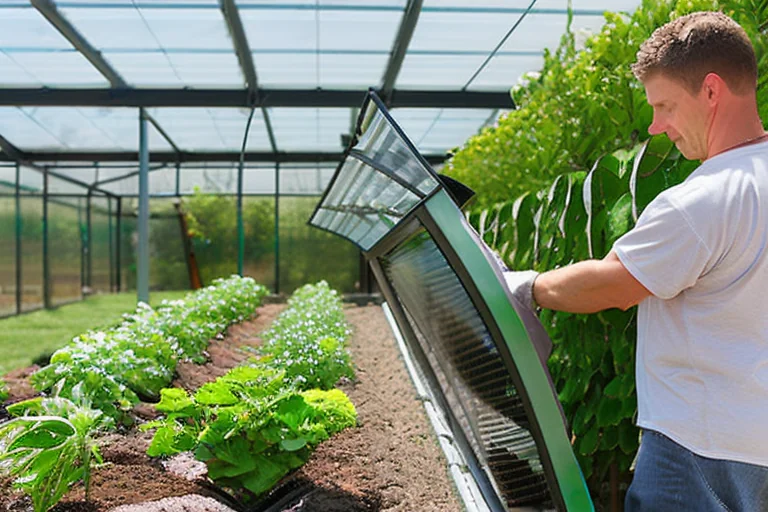
An automated system is a mechanical and electronic investment that requires regular care to ensure it functions when you need it most. Create a simple seasonal checklist. Before the growing season kicks into high gear, test all vent openers and motors. Clean the blades and housings of all fans, and lubricate any moving parts as recommended by the manufacturer. It’s crucial to regularly clean sensor probes with a soft, dry cloth; dust and spider webs can lead to false readings that throw off your entire climate control. Check all electrical connections for corrosion, especially in humid environments, and ensure backup batteries in controllers are fresh. A well-maintained system will provide years of faithful service. For a comprehensive seasonal plan that covers ventilation systems and more, our guide on essential winter greenhouse maintenance offers valuable steps to protect your investment during the off-season.
The Tangible Benefits: Why the Investment Pays Off
Beyond the sheer convenience, the benefits of advanced climate control are measurable. Plants experience less stress, leading to more consistent growth and earlier maturation. By maintaining optimal humidity, you drastically reduce the need for fungicides. Precise temperature management can extend your growing season on both ends, allowing you to start seedlings earlier in spring and keep crops producing later into the fall. For fruiting plants like tomatoes and peppers, stable conditions mean better fruit set and quality. Ultimately, you gain predictability and resilience. Whether a sudden heatwave hits while you’re at work or a cool, damp spell settles in, your greenhouse will self-regulate, protecting your plants and giving you peace of mind. It transforms gardening from a chore of constant vigilance into a more enjoyable and profoundly more productive pursuit.
Ready to stop battling the elements and start orchestrating the perfect growing climate? The journey to a smarter greenhouse starts with the right foundation and guidance. We invite you to Browse Our Complete Greenhouse Collection to find a structure designed to integrate modern systems seamlessly. For personalized advice on selecting and setting up automation for your specific needs, don’t hesitate to Contact Our Greenhouse Experts. Let’s build your ideal growing environment together.
 English
  Spanish
  French
  German
  Portuguese
  Arabic
  Russian
  Chinese