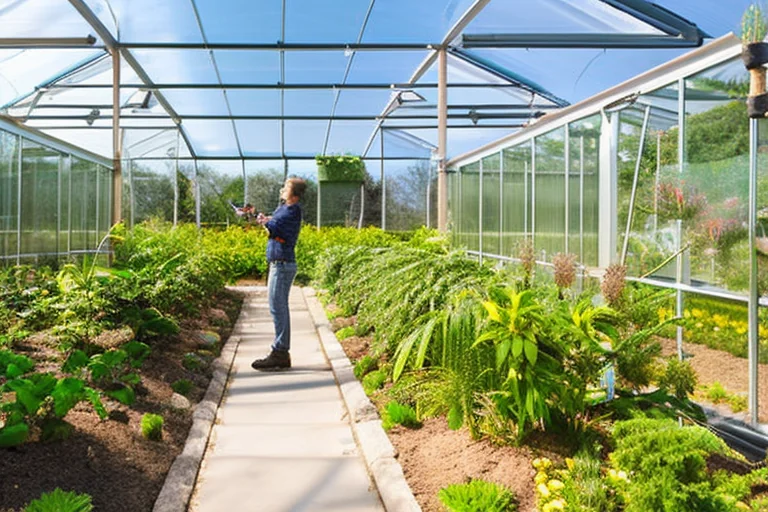
Remember the days of rushing home to check if you remembered to open the greenhouse vents, or worrying about your seedlings drying out while you were on vacation? Those days are fading fast, thanks to a quiet revolution happening under the glazing of modern greenhouses. The marriage of smartphone technology and the Internet of Things (IoT) is transforming passive growing spaces into intelligent, responsive environments. For gardeners and commercial growers alike, this means unprecedented control, deeper insights, and ultimately, healthier plants and bigger harvests, all managed from the device in your pocket. It’s not science fiction; it’s the very practical, accessible future of horticulture, and it pairs perfectly with the durable, insulated environment of a modern polycarbonate greenhouse.
The Core of a Smart Greenhouse: Sensors and Connectivity
At the heart of any IoT greenhouse solution is a network of sensors. These are the digital eyes and ears of your garden, constantly collecting data on the microclimate you’ve created. The most common sensors monitor temperature, humidity, and light levels—the holy trinity of plant growth. But the technology goes much deeper. Soil moisture sensors can tell you exactly when your tomatoes are thirsty, preventing both under and over-watering. CO2 sensors can help optimize photosynthesis rates, while pH and EC (electrical conductivity) sensors can monitor nutrient levels in hydroponic systems in real-time. This data is transmitted wirelessly, typically via Wi-Fi or a dedicated cellular network like LoRaWAN, to a central gateway or hub. This hub then sends the information to the cloud, where it’s processed and made available to you through a dedicated app on your smartphone or tablet. This constant stream of data replaces guesswork with precise knowledge, allowing for proactive rather than reactive gardening.
From Data to Action: Automated Control Systems
Collecting data is only half the story. The true power of integration lies in automation—the ability for your greenhouse to act on the information it gathers. This is where your smartphone becomes a remote control for your garden’s vital functions. Connected to the same network as your sensors, smart devices can be programmed to maintain ideal parameters automatically. Imagine a temperature sensor triggering a smart vent opener the moment things get too warm, or a humidity sensor activating an exhaust fan to prevent fungal diseases. Smart irrigation controllers can water your beds based on actual soil moisture data or a pre-set schedule you manage from your phone, even if you’re miles away. For lighting, smart plugs and grow lights can simulate perfect dawn-to-dusk cycles or provide supplemental light during cloudy periods, all on an automated schedule. This level of control not only saves immense time and effort but also creates a more stable, less stressful environment for your plants, which translates directly to improved growth and resilience.
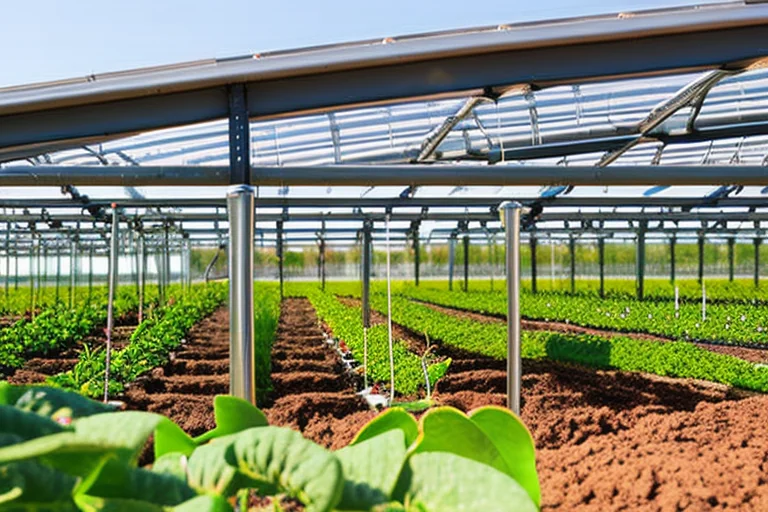
The Perfect Foundation: Polycarbonate Greenhouses for Tech Integration
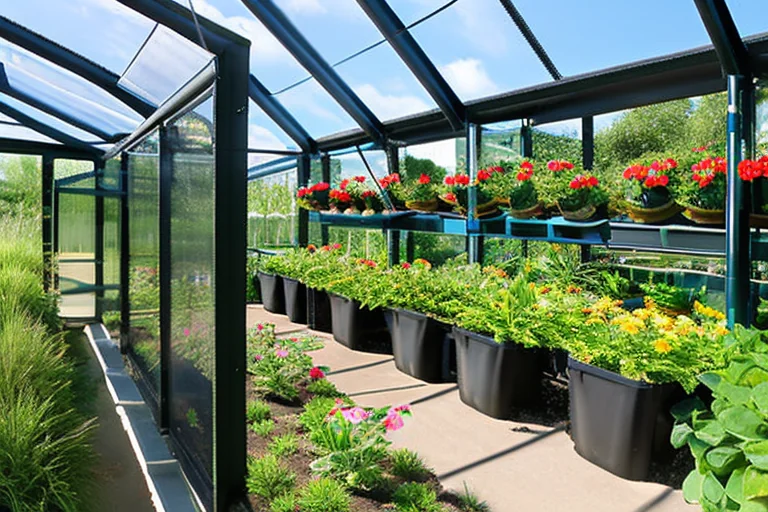
All this sophisticated technology requires a stable and reliable home. This is where the physical structure of your greenhouse becomes critically important. A flimsy or poorly insulated greenhouse can lead to wild temperature swings and humidity spikes that your smart systems will constantly struggle to correct, wasting energy and stressing components. A twin-wall or multi-wall polycarbonate greenhouse provides an ideal foundation. Its superior insulation properties help maintain more consistent temperatures, reducing the workload on heaters and cooling systems. The diffused light quality protects plants from scorching and promotes even growth, which is easier for your sensors to monitor accurately. Furthermore, the robust framing of a quality polycarbonate structure offers secure mounting points for sensors, cameras, and wiring, protecting your investment in technology. Whether you’re automating a large compact growing space or a full-sized garden greenhouse, starting with a well-built structure is the first step to smart gardening success.
Getting Started with Smartphone Greenhouse Management
Embarking on your smart greenhouse journey doesn’t require a massive upfront investment or a degree in computer science. The market is now full of user-friendly, scalable solutions for every level of gardener. For beginners, a great starting point is a simple Wi-Fi weather station with a sensor you place inside the greenhouse. This allows you to monitor temperature and humidity remotely via an app, giving you peace of mind and valuable data. The next step up might be a smart irrigation timer you can control from your phone, or a single automated vent opener. These devices often work within popular smart home ecosystems, making integration straightforward. For more advanced users, comprehensive kits are available that bundle multiple sensors with a hub and offer sophisticated automation rules (called “if this, then that” or IFTTT logic). The key is to start with one pain point—maybe it’s watering or ventilation—and solve it with a smart device. As you become comfortable, you can expand your system piece by piece.
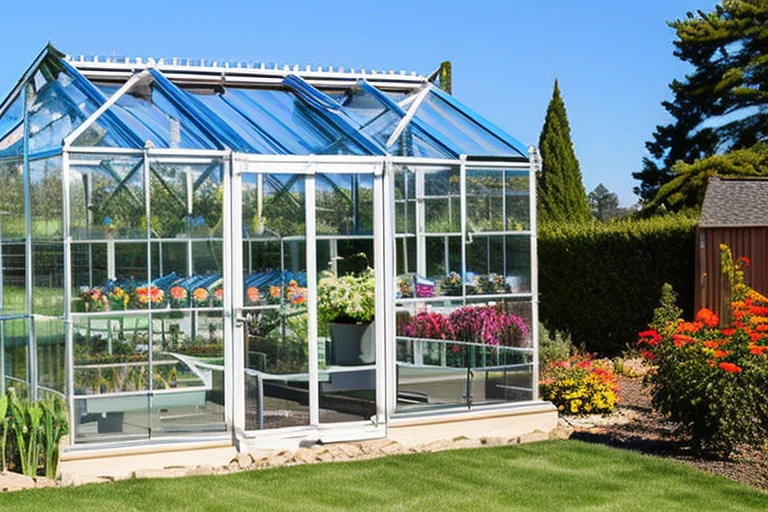
Beyond Automation: Analytics and Long-Term Insights
The benefits of IoT integration extend far beyond remote controls and automation. The data collected over time becomes a powerful analytical tool. Most companion apps will graph your environmental data, allowing you to see trends over days, weeks, or even entire growing seasons. You can correlate a spike in growth with a period of ideal temperature and light, or diagnose a problem by looking at environmental conditions that preceded it. Did your basil develop mold? Check the humidity logs for the preceding week. Are your peppers slow to fruit? Review the nighttime temperature minimums. This historical data turns your greenhouse into a continuous learning laboratory. You can refine your techniques, validate the performance of new plant varieties, and create a detailed log of your gardening practices. This level of insight was once only available to university researchers and large commercial operations, but it is now accessible to any dedicated gardener with a smartphone and the right tools.
Maintenance and Security for Your Connected Garden
As with any technology, a smart greenhouse requires a bit of upkeep to stay reliable. Sensor probes, especially those in soil, need periodic cleaning and calibration to ensure accuracy. Batteries in wireless devices must be checked and replaced. Firmware for hubs and controllers should be updated to maintain security and functionality. It’s also wise to have manual overrides for all automated systems—a hand-crank for that smart vent opener, for instance—in case of a power or network outage. Speaking of security, protecting your network is crucial. Ensure your Wi-Fi password is strong and consider setting up a separate network for your IoT devices if your router supports it. Regularly changing passwords and reviewing device permissions within the app are good digital hygiene practices. Just like the physical care of your greenhouse panels, a little preventative maintenance on the tech side ensures everything runs smoothly for seasons to come.
The integration of smartphones and IoT into greenhouse gardening is more than a novelty; it’s a fundamental shift towards precision, efficiency, and deeper engagement with our plants. It empowers us to create near-perfect growing conditions, conserve resources like water and energy, and gain knowledge that makes us better gardeners. By starting with a solid polycarbonate structure and adding smart components strategically, you can build a growing space that is not only productive but also intelligently connected to your life. Ready to build your own high-tech haven for plants? We can help you every step of the way. Browse Our Complete Greenhouse Collection to find the perfect durable structure, then View Our Complete Greenhouse Guides for more advice on technology integration. For personalized recommendations, don’t hesitate to Contact Our Greenhouse Experts today.
 English
  Spanish
  French
  German
  Portuguese
  Arabic
  Russian
  Chinese