
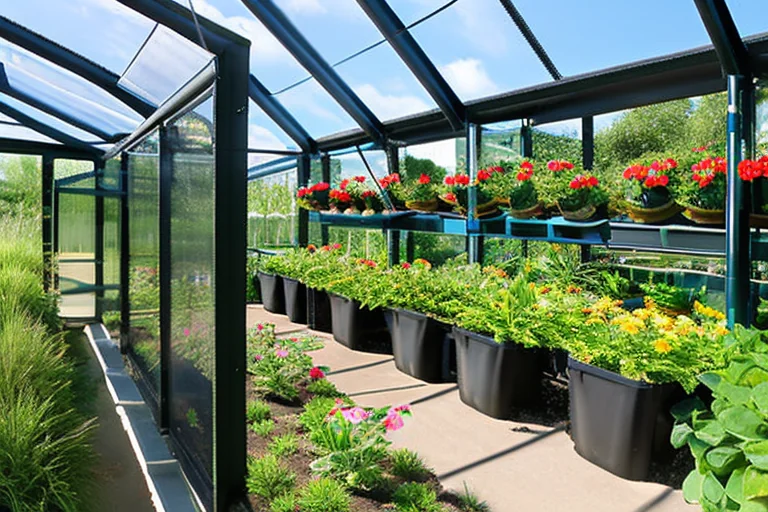
For many gardeners, the first frost signals the end of the growing season, a time to put tools away and dream of spring. But what if your garden didn’t have to end? With a well-planned approach and the right protected environment, you can cultivate fresh, vibrant produce 365 days a year. A year-round growing calendar transforms your greenhouse from a seasonal accessory into the heart of your food production system. This guide is your roadmap to that continuous harvest, offering a month-by-month framework for planning, planting, and maintaining a productive garden regardless of the weather outside. By understanding the rhythms of your protected growing space, you can unlock its full potential and enjoy the profound satisfaction of harvesting homegrown food in every season.
The Foundation: Why a Calendar is Essential for Greenhouse Success
Growing in a greenhouse isn’t just about moving your summer garden indoors; it’s about mastering a unique microclimate. Unlike open-field gardening, your greenhouse environment is a controlled system where light, temperature, and humidity can be managed. A detailed calendar is the tool that synchronizes your actions with the natural, yet modified, cycles within that system. It prevents the common pitfalls of missed planting windows, overcrowding, and soil depletion. By planning ahead, you ensure a steady succession of crops, so you’re never left with an empty bed or a sudden glut of one vegetable. This proactive approach maximizes every square foot of your space, increases yield, and makes the entire process more efficient and enjoyable. Think of it as the strategic blueprint for your edible oasis.
Winter (December – February): The Quiet Engine of Growth
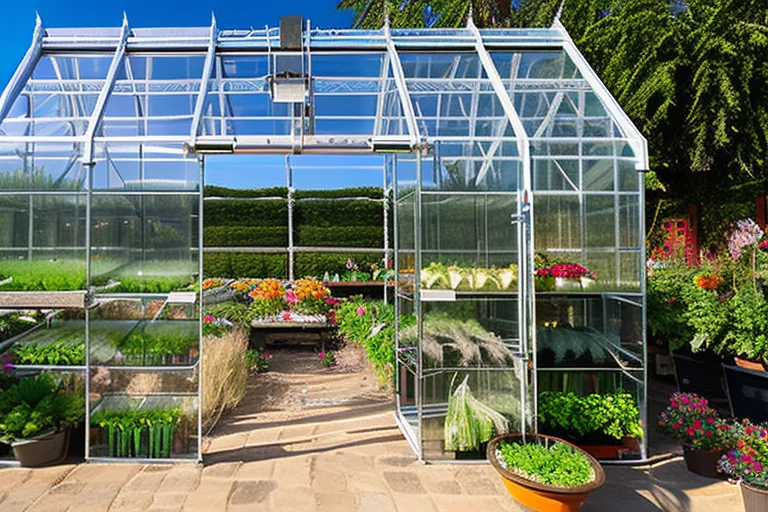
While outdoor gardens sleep, your greenhouse is just waking up to its most valuable role. Winter is the season of propagation and planning. The low sun angle means light is precious, so focus is key. This is the ideal time to start long-season crops from seed. Onions, leeks, celery, and certain perennial flowers benefit from this early start, developing strong root systems for spring transplanting. Utilize heat mats to encourage germination in the cooler ambient temperatures. Your main harvests during these months will come from cold-hardy greens planted in the late fall—spinach, kale, mache, and claytonia thrive in the cool, moist environment. Vigilance is required for climate control; ensure proper ventilation on sunny days to prevent overheating and use thermal mass or a small heater to protect against deep freezes. This is also the perfect time for maintenance: cleaning polycarbonate panels for maximum light transmission, servicing ventilation equipment, and amending soil in preparation for the spring rush.
Key Winter Tasks and Crops
Your winter calendar should be precise. In early December, finalize your seed orders and inventory supplies. By mid-January, begin sowing those first seeds of onions and celery. Monitor soil temperature closely—most seeds need 65-75°F to germinate, which is where heat mats become indispensable. For direct harvest, maintain plantings of Swiss chard, bok choy, and hardy herbs like parsley. Pest pressure is typically low, but watch for aphids that may seek refuge in the warmth. The most critical task is managing condensation and humidity to prevent fungal diseases like botrytis (gray mold). A little effort in these quiet months sets the stage for an explosive spring.
Spring (March – May): The Season of Acceleration
As daylight increases, your greenhouse transforms into a powerhouse of growth. This is the busiest transplanting period. Harden off those winter-sown seedlings and move them to their final positions. Now is the time to start the warm-season crops that will define your summer harvest: tomatoes, peppers, eggplants, and cucumbers. Start these seeds in trays, as they require consistent warmth. Simultaneously, you can continue direct sowing of quick-growing cool-weather crops like radishes, carrots, and beets to harvest before the heat-loving plants need the space. Ventilation becomes your daily ritual. On bright spring days, temperatures can soar surprisingly fast inside a well-sealed structure, so automatic vent openers can be a lifesaver. Begin to train and prune indeterminate tomatoes and cucumbers as they grow, ensuring good air circulation.
Managing the Spring Transition
The challenge of spring is balancing the needs of cool-season and warm-season plants in the same space. Use strategic shading on the south side for tender seedlings and employ vertical space with trellises to keep things organized. As outdoor temperatures stabilize, you can start the process of hardening off plants destined for the outdoor garden, freeing up precious greenhouse real estate. Fertilization becomes more important now as plants enter a rapid growth phase. Shift from balanced starters to fertilizers higher in phosphorus and potassium for fruiting plants. This coordinated push ensures a seamless handoff from the spring leafy greens to the summer fruit producers.
Summer (June – August): Harvest and Heat Management
Summer is the season of abundance, but also of intense management. Your greenhouse will be filled with towering tomatoes, vining cucumbers, and bulging peppers. Daily harvesting is essential to keep plants productive. The primary focus shifts from promotion of growth to moderation of it. Heat is the enemy. Consistent temperatures above 90°F can cause blossom drop on tomatoes and peppers, halting production. Employ shade cloth (30-50% density) over the exterior, increase active ventilation with exhaust fans, and use evaporative cooling if necessary. Drip irrigation is crucial to deliver consistent moisture directly to roots without wetting foliage, which can encourage disease. This is also the time to start seeds for your fall and winter garden—brassicas like broccoli and cabbage, and another round of leafy greens.
Succession Planting for Continuous Yield
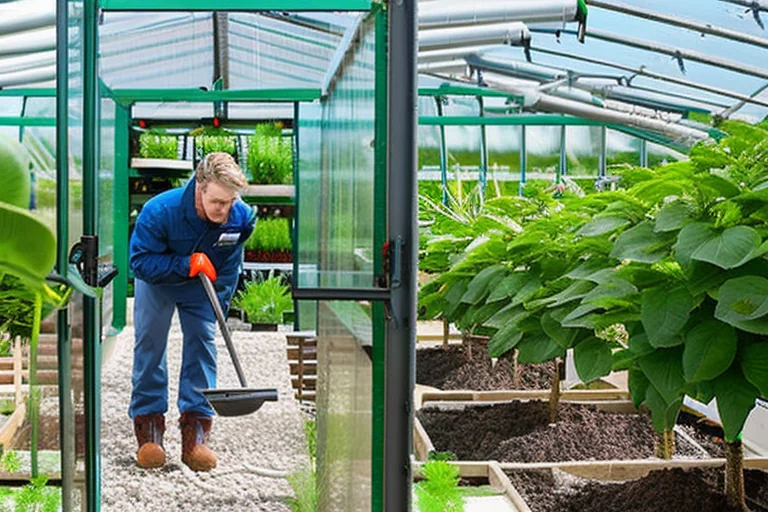
Don’t let beds sit idle. As early summer crops like spinach bolt in the heat, replant those spaces with heat-tolerant beans or a cover crop to enrich the soil. Practice good sanitation by promptly removing spent plants to discourage pests. Spider mites and whiteflies can proliferate in the hot, dry conditions, so introduce beneficial insects like ladybugs or apply insecticidal soap at the first sign. By late August, your focus should fully pivot to preparing for fall. Transplant those broccoli and kale seedlings started in July, ensuring they are well-established before daylight hours dwindle.
Fall (September – November): Extending the Season and Preparing for Winter
Fall is a second spring in the greenhouse. As nights cool, the environment becomes ideal again for the brassicas and greens that struggled in the summer heat. Transplant lettuces, Asian greens, and spinach for harvests that will continue deep into winter. This is your last chance to get perennial herbs and strawberries established. The key task is gradually reversing your summer strategies. Remove shade cloth to capture every bit of the lowering sun. Start closing vents earlier in the evening to trap solar heat. Begin installing any winter insulation, such as bubble wrap on north walls, and check the seals on doors and windows. Clean up all plant debris thoroughly to eliminate overwintering sites for pests and diseases.
Creating a Winter-Ready Sanctuary
By late October, your greenhouse should be fully transitioned to its winter configuration. Soil should be amended with compost to support the slow-growing winter crops. Consider installing a soil heating cable for an extra boost in the coldest zones. Group potted plants together to create a microclimate of shared humidity and warmth. Your fall planting of cold-hardy crops is your winter larder; protect them with floating row covers inside the greenhouse for an added layer of insulation on frigid nights. This meticulous preparation during the fall ensures your greenhouse remains a productive and resilient garden space through the darkest months.
Putting Your Annual Plan Into Action
A calendar is only as good as the system behind it. Use a garden journal, spreadsheet, or specialized app to track planting dates, varieties, and yields. This data is invaluable for refining your plan each year. Remember, your local climate is the ultimate variable—adjust these generalized monthly guidelines based on your specific USDA Hardiness Zone and the unique microclimate of your greenhouse. Start simple in your first year-round attempt. Focus on mastering a few succession crops, like lettuce or radishes, before expanding to a full rotation. The goal is not perfection, but progress toward a more resilient and rewarding way to grow.
Ready to make the leap to four-season harvesting? The right structure is the first step. Explore Polygreenhouse.net Solutions to find a greenhouse designed for year-round performance. For detailed guidance on every aspect of greenhouse gardening, View Our Complete Greenhouse Guides. Have specific questions about setting up your four-season garden? Our team is here to help—Contact Our Greenhouse Experts for personalized advice tailored to your goals and climate.
 English
  Spanish
  French
  German
  Portuguese
  Arabic
  Russian
  Chinese