
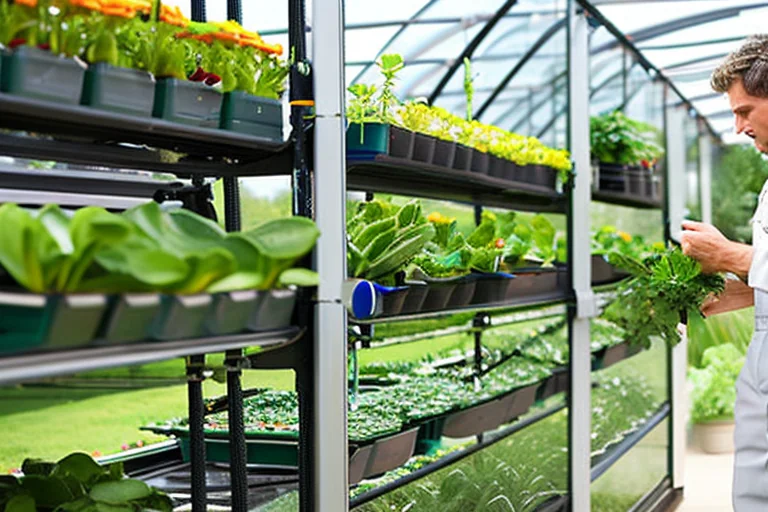
For any gardener, the sight of a thriving greenhouse bursting with vibrant, healthy plants is the ultimate reward. That controlled environment we create to nurture growth, however, is also a paradise for pests. The consistent warmth, abundant food, and lack of natural predators can turn a minor insect sighting into a full-scale infestation seemingly overnight. The key to protecting your horticultural haven isn’t just about reacting to problems; it’s about building a fortress of prevention and having a smart, tiered plan for control when needed. By understanding the unique challenges of the greenhouse ecosystem and implementing an integrated strategy, you can keep your plants safe and your harvests bountiful.
Why Greenhouses Are Pest Magnets
It’s a frustrating reality: the very conditions that make greenhouses so productive also make them attractive to pests. Unlike an open garden, a greenhouse offers a stable, year-round climate free from harsh weather, which many insects and pathogens find ideal. There are no heavy rains to wash away aphids, no freezing temperatures to kill off larvae, and often a limited population of beneficial insects like ladybugs or lacewings to keep pest numbers in check. This creates a perfect storm where a few insects can rapidly multiply into a devastating colony. Furthermore, the close proximity of plants facilitates the quick spread of pests and diseases from one plant to another. Understanding this vulnerability is the first step toward effective management. It shifts the mindset from casual observation to proactive monitoring and defense.
The Foundation: Proactive Pest Prevention
An ounce of prevention is worth a pound of cure, and this is never truer than in greenhouse pest management. Your first and most powerful line of defense is a set of good cultural practices designed to stop problems before they start.
Start Clean and Stay Clean
Sanitation is non-negotiable. Always quarantine new plants for at least one to two weeks in an area separate from your main greenhouse. This allows you to observe them for any hitchhiking pests or signs of disease. Regularly remove dead leaves, spent flowers, and any plant debris from the floor and benches, as this material can harbor pests and fungal spores. At the end of each growing season, perform a deep clean. Remove all plants, sweep out all soil and organic matter, and wash down all surfaces, including the interior framework and glazing. For a smaller growing structure, this deep clean is much more manageable and should be done even more frequently.
Control the Environment
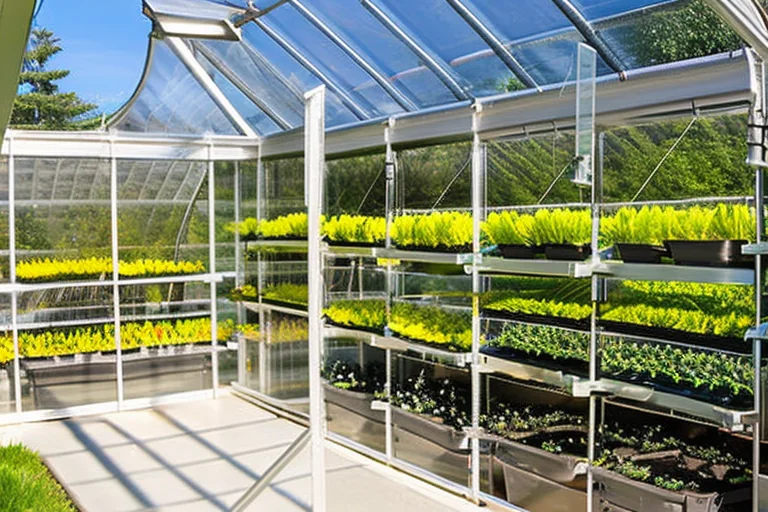
Many pests thrive in stagnant, humid air. Proper ventilation is crucial for keeping humidity levels in check and strengthening plant tissues. Use exhaust fans, roof vents, and side vents to ensure consistent air movement. Water plants at the base in the morning so foliage has time to dry, avoiding the damp conditions that encourage fungal diseases like powdery mildew and botrytis. The material of your greenhouse also plays a role. Modern polycarbonate panels diffuse light evenly, reducing harsh shadows and hot spots that can stress plants, making them less susceptible to pest attacks. Their excellent insulation also helps maintain more stable temperatures, preventing the condensation that can lead to disease.
Encourage Plant Health
A stressed plant is a target. Ensure your plants are getting the right amount of light, water, and nutrients. Avoid over-fertilizing, especially with high-nitrogen formulas, as the succulent new growth they produce is particularly attractive to aphids and other sucking insects. Practice smart plant spacing to avoid overcrowding, which improves air circulation and makes it harder for pests to move from plant to plant. Consider using companion planting strategies; for example, strong-smelling herbs like basil or marigolds can help repel certain insects.
Identifying Common Greenhouse Pests
Effective control begins with accurate identification. Catching an infestation early often means the difference between a simple solution and a major battle. Regularly inspect your plants, especially the undersides of leaves, new growth, and stem joints. Here are some of the usual suspects:
Aphids: Small, soft-bodied insects that cluster on new growth and undersides of leaves. They can be green, black, brown, or red and excrete a sticky “honeydew” that leads to sooty mold.
Whiteflies: Tiny, moth-like insects that flutter up in a cloud when disturbed. They also feed on plant sap and excrete honeydew.
Spider Mites: Nearly microscopic pests that cause stippling (tiny yellow dots) on leaves. Severe infestations produce fine webbing. They love hot, dry conditions.
Fungus Gnats: Small, dark flies that hover around the soil surface. Their larvae live in the soil and feed on roots, damaging seedlings and young plants.
Thrips: Slender, tiny insects that rasp plant surfaces and suck the juices, leaving silvery streaks and deformed growth.
Mealybugs: Soft, oval insects covered in a white, waxy, cotton-like substance. They congregate in leaf axils and other protected areas.
The Integrated Pest Management (IPM) Response Plan
When pests are detected, a measured, integrated approach is best. IPM is a hierarchy of control methods, starting with the least toxic and escalating only as necessary.
Step 1: Physical and Mechanical Controls
For light infestations, physical removal can be highly effective. Use a strong jet of water from a hose to dislodge aphids, spider mites, and whiteflies. Hand-pick larger pests like caterpillars. Install yellow sticky traps to monitor and reduce populations of flying insects like whiteflies, fungus gnats, and thrips. Blue sticky traps are more effective for thrips. Creating physical barriers, like insect screening on vents, can prevent pests from entering in the first place.
Step 2: Biological Controls (Introducing the Good Guys)
This is where you fight nature with nature. Releasing beneficial insects is a highly effective and chemical-free way to control pests. Ladybugs and lacewing larvae are voracious predators of aphids. Predatory mites specifically target spider mite colonies. The microscopic parasitic wasp, Encarsia formosa, is a workhorse for controlling whiteflies in greenhouses. For fungus gnat larvae in the soil, beneficial nematodes or predatory mites (Stratiolaelaps scimitus) can be applied. A well-sealed structure is key to keeping these beneficials inside where they can work.
Step 3: Organic and Least-Toxic Chemical Controls
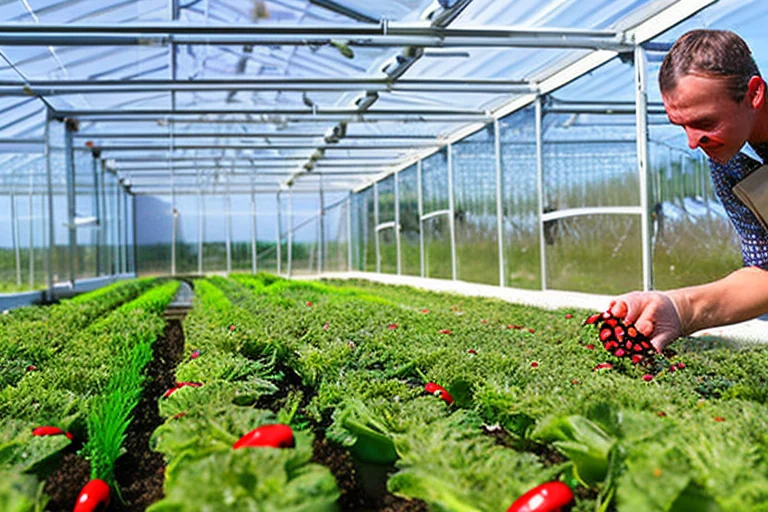
When physical and biological methods need support, turn to organic options. Insecticidal soaps and horticultural oils (like neem oil) work by smothering soft-bodied insects and are safe for most beneficials when dry. They require thorough coverage, especially on leaf undersides. Diatomaceous earth can be dusted on soil surfaces to deter crawling pests. For fungal diseases, copper fungicides or sulfur-based products can be used as preventatives or early treatments. Always follow label instructions precisely, even for organic products.
Step 4: Chemical Pesticides (The Last Resort)
Synthetic chemical pesticides should only be used as a last resort for severe, uncontrollable infestations. They can wipe out beneficial insect populations, lead to pesticide resistance, and pose risks to the applicator and environment. If you must use them, choose products specifically labeled for greenhouse use on your target plants and pests. Apply in the evening when bees and other beneficials are less active, and ensure the greenhouse is well-ventilated. Isolate treated plants if possible. A robust seasonal maintenance routine that focuses on prevention will help you avoid ever reaching this stage.
Building a Pest-Resistant Greenhouse from the Ground Up
Your choice of greenhouse structure itself can be a significant factor in pest management. A well-designed polycarbonate greenhouse offers several advantages. The twin-wall or multi-wall panels provide superior insulation, which helps prevent the drastic temperature swings and condensation that stress plants and encourage disease. The diffused light quality reduces plant stress and can even help obscure plants from certain flying pests. Furthermore, a sturdy structure allows for the proper installation of screened vents and doors, which are essential physical barriers. Ensuring your greenhouse has a solid, well-sealed foundation and door sweeps can block entry points for slugs, snails, and crawling insects.
Managing pests in a greenhouse is an ongoing process of vigilance, prevention, and smart intervention. By creating an environment that promotes plant health, practicing strict sanitation, monitoring regularly, and responding with an integrated tiered approach, you can maintain the upper hand. Remember, the goal isn’t to create a sterile, pest-free zone—that’s nearly impossible—but to manage pest populations at a level where they don’t cause significant damage to your plants. This balanced approach protects your investment, your plants, and the overall ecosystem of your growing space.
Ready to build your first line of defense? The right greenhouse design is foundational to integrated pest management. Browse Our Complete Greenhouse Collection to find a structure that fits your space and gardening goals. For personalized advice on setting up a pest-resistant growing environment, Contact Our Greenhouse Experts today. And to continue learning, View Our Complete Greenhouse Guides for more tips on healthy, productive growing.
 English
  Spanish
  French
  German
  Portuguese
  Arabic
  Russian
  Chinese