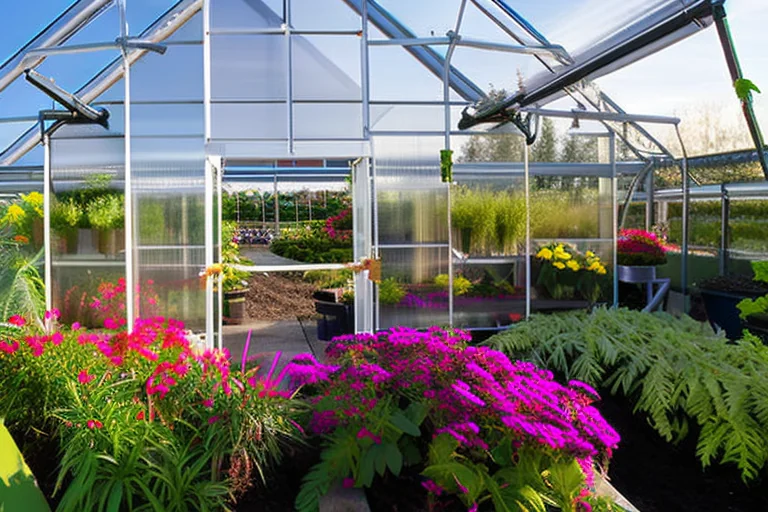
For any gardener, light is the ultimate currency. It’s the fuel that drives photosynthesis, triggers flowering, and builds strong, resilient plants. While a greenhouse, especially one made with modern materials like twin-wall polycarbonate, is fantastic for capturing and diffusing sunlight, it doesn’t magically extend the day or brighten a persistently gloomy winter sky. That’s where understanding seasonal lighting needs and the strategic use of supplemental illumination becomes your superpower. Whether you’re nurturing seedlings for an early start, pushing tropical fruits to ripen, or simply keeping your herbs productive through the short days, mastering light is the key to unlocking year-round abundance. This guide will walk you through the science, the strategies, and the smart setups to ensure your plants never miss a photon they need.
Understanding the Language of Light: What Plants Really Need
Before we start hanging lights, we need to speak the basics of plant photobiology. Plants don’t just need “light”; they respond to three specific characteristics: intensity, duration, and spectrum. Light intensity, often measured in foot-candles or PAR (Photosynthetically Active Radiation), is about how bright the light is. Leafy greens might be happy with less, while fruiting plants like tomatoes and peppers crave high intensity. Duration, or photoperiod, is the length of the daily light exposure. This is crucial for triggering flowering in many plants—think of poinsettias that need long nights to bloom. Finally, spectrum refers to the color of the light. Blue light promotes vegetative, leafy growth, while red light encourages flowering and fruiting. A quality polycarbonate panel is excellent at diffusing full sunlight, which contains the complete spectrum, reducing harsh shadows and preventing leaf scorch. However, as seasons change, the angle of the sun lowers, days shorten, and cloud cover increases, naturally diminishing all three of these critical light components. Recognizing this annual ebb and flow is the first step in proactive light management.
Maximizing Natural Light in Your Polycarbonate Greenhouse
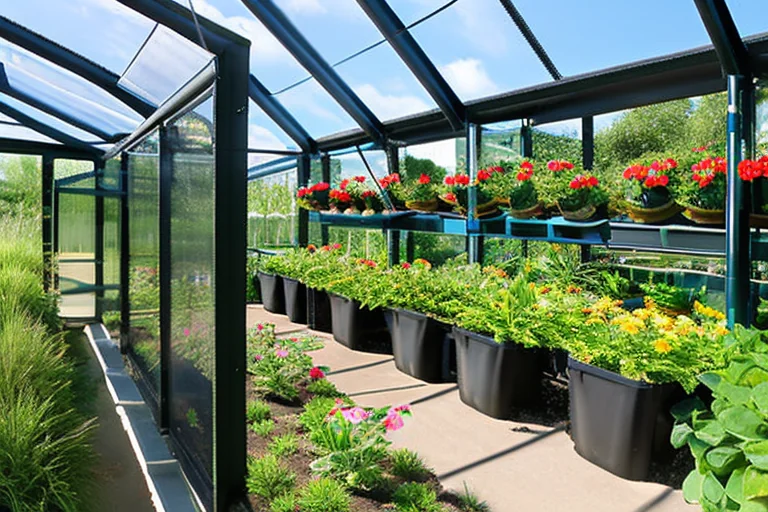
Your first and most efficient light source is always the sun. A well-designed greenhouse maximizes every available ray. The orientation is paramount: a ridge running east-west captures the most sunlight throughout the year in the Northern Hemisphere. Keep glazing clean; dust and algae on polycarbonate panels can block a significant percentage of light. The insulating air pockets in twin-wall polycarbonate are fantastic for temperature control, but ensure you choose a high-light-transmission grade specifically for horticulture. Inside, use reflective materials like white paint or specialized reflective sheeting on north walls and benches to bounce light back onto the undersides of leaves. Prune surrounding trees that cast shadows, especially in winter when the sun is low. Even the layout of your plants matters—place taller crops on the north side to avoid shading shorter ones. For those with limited space or specific starting needs, a strategically placed portable growing system can be positioned to catch the best light for seedlings and cuttings before they move to their main growing area.
When Natural Light Isn’t Enough: The Case for Supplemental Lighting
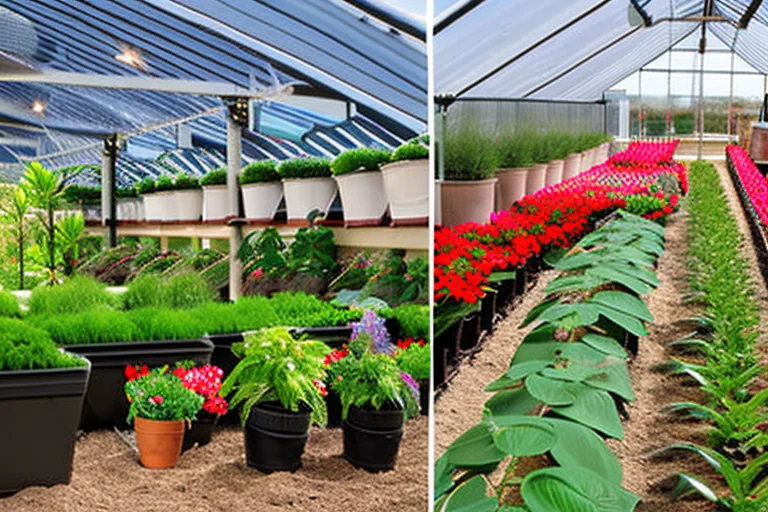
There comes a point for nearly every greenhouse gardener when the sun alone falls short. This is most apparent during the “dark period” from late fall to early spring. If you’re starting seeds in January for a spring transplant, the days are too short and weak for robust growth. You might notice seedlings becoming “leggy”—stretching with thin stems as they desperately search for light. Supplemental lighting solves this. It’s also essential for growing photoperiod-sensitive crops out of season, like forcing chrysanthemums to bloom for a fall market. Furthermore, in regions with prolonged cloudy weather, even summer crops can benefit from a boost to ensure steady fruit set and development. Supplemental lights bridge the gap, providing consistent, controllable light to maintain growth rates, improve plant quality, and ultimately, extend your productive season by months.
Choosing the Right Supplemental Lighting System
Walking into the world of grow lights can be overwhelming, but breaking down the main types helps. Light-Emitting Diodes (LEDs) are the modern standard for efficiency and control. They produce little heat, last for tens of thousands of hours, and often allow you to tailor the light spectrum (e.g., more blue for seedlings, more red for flowering). High-Intensity Discharge (HID) lights, including Metal Halide (MH) and High-Pressure Sodium (HPS), are powerful and have been greenhouse workhorses for decades. HPS lights, with their reddish output, are great for fruiting and flowering stages. However, they generate significant heat and use more electricity than LEDs. Fluorescent lights, like T5 high-output tubes, are excellent for seed starting, propagation, and low-light plants due to their cooler, broad-spectrum light. They are less effective for tall, light-hungry fruiting plants. Your choice depends on your goals, budget, and plants. For a mixed-use hobby greenhouse, a combination of LED panels for primary growth and T5s for propagation benches is a winning strategy.
Setting Up Your Lights for Success
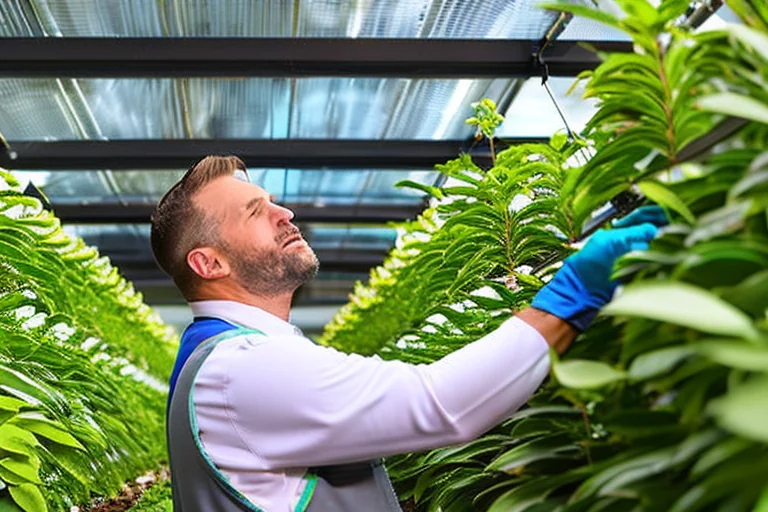
Installation is more than just screwing in a bulb. Height and coverage are critical. Lights must be adjustable to maintain the proper distance from the plant canopy as plants grow—too far and intensity drops dramatically; too close and you risk light burn (especially with HIDs). Follow manufacturer guidelines for hanging height. Use a light meter or even a simple smartphone app (as a rough guide) to check intensity levels at the leaf surface. For most vegetable seedlings, aim for 200-400 µmol/m²/s of PAR. To manage photoperiod, plug all lights into a reliable digital timer. For vegetative growth, 14-18 hours of light is common. For forcing flowering in short-day plants, you may need to use blackout cloth to ensure 12 hours of uninterrupted darkness. A thoughtful layout and planning process that includes electrical outlets and light hanging points will make your supplemental lighting system efficient and easy to manage.
Seasonal Strategies and Energy-Efficient Practices
Your lighting approach should shift with the calendar. In deep winter, supplemental lights may need to run for 16+ hours a day to compensate for minimal daylight. Use them during the brightest part of the day to maximize overall intensity. As spring approaches and natural day length increases, gradually reduce the supplemental hours. By late spring and summer, you may only need lights for specific propagation tasks or on exceptionally cloudy days. To save energy, always use the most efficient bulbs (LEDs lead here) and ensure your greenhouse is well-insulated to make the most of any heat the lights produce. Reflective surfaces amplify the effect of both natural and artificial light. Consider using lights in zones—only illuminating the tables or areas with active crops rather than the entire greenhouse. Monitoring your plants is the best guide; strong, compact growth with rich color means your lighting strategy is on point.
Conclusion: Lighting the Way to Year-Round Harvests
Embracing supplemental illumination transforms your greenhouse from a seasonal shelter into a truly year-round production hub. It gives you control over the most variable of natural elements, allowing you to start earlier, grow later, and cultivate a wider variety of plants with confidence. By understanding your plants’ needs, maximizing free solar energy, and strategically deploying efficient artificial lights, you turn every season into a growing season. The initial investment in a good lighting system pays dividends in plant health, yield, and gardening satisfaction.
Ready to shed light on your year-round growing potential? The right greenhouse structure is the perfect partner for an effective lighting strategy. Browse Our Complete Greenhouse Collection to find a durable polycarbonate design that optimizes natural light. For personalized advice on integrating lighting into your setup, don’t hesitate to Contact Our Greenhouse Experts. Let’s build a brighter future for your garden together.
 English
  Spanish
  French
  German
  Portuguese
  Arabic
  Russian
  Chinese