Imagine stepping into your own personal oasis, where the air is warm, the light is perfect, and vibrant, juicy tomatoes hang heavy on the vine, regardless of the season outside. This isn’t a fantasy; it’s the reality of mastering tomato cultivation in a controlled greenhouse environment. By moving beyond the whims of weather, you gain the power to create the perfect conditions for your plants to thrive, leading to healthier growth, significantly higher yields, and a harvest that can extend throughout the year. This guide will walk you through every step, transforming you from a casual gardener into a tomato-growing expert.
Why a Greenhouse is a Tomato’s Best Friend
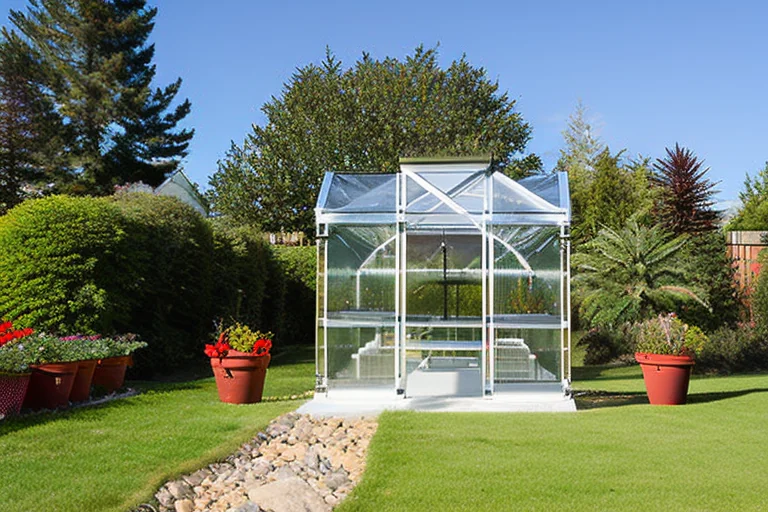
Tomatoes are sun-loving, heat-seeking plants that despise frost and flourish in consistent conditions. An outdoor garden subjects them to unpredictable temperature swings, heavy rains that can cause disease, and pests that seem to appear overnight. A greenhouse, particularly one made with modern materials, acts as a protective shield. It extends your growing season on both ends, allowing for earlier planting in the spring and continued production late into the fall, or even through the winter with the right setup. The controlled environment means you manage the water your plants receive, drastically reducing the risk of blight and other fungal issues common in open gardens. For those serious about their harvest, investing in a quality residential growing greenhouse is the single most effective step toward tomato mastery.
Choosing the Right Greenhouse Structure
Not all greenhouses are created equal, especially when your goal is optimal tomato production. The structure you choose will be the foundation of your success.
The Superiority of Polycarbonate Panels
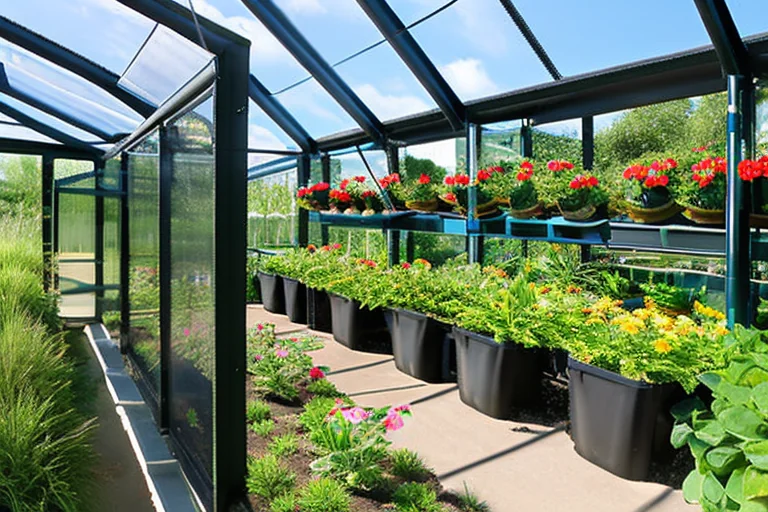
While glass greenhouses have a classic appeal, twin-wall polycarbonate panels are the modern champion for the serious grower. Their key advantage is superior insulation; the air gap between the two walls creates a thermal barrier that retains heat much more effectively than single-pane glass. This keeps your tomatoes warm during cool nights without skyrocketing your heating bill. Furthermore, polycarbonate diffuses sunlight, scattering it evenly throughout the interior. This prevents hot spots and leaf scorch, ensuring all your plants, not just those directly in the sun’s path, receive the gentle, pervasive light they need for photosynthesis. This diffused light is a secret weapon for promoting strong, even growth.
Mastering the Tomato Growing Environment
With your structure in place, the real work—and fun—begins. Creating the perfect environment is about fine-tuning several key variables.
Climate Control: Temperature and Humidity
Tomatoes are Goldilocks plants; they like it not too hot, not too cold. Aim for daytime temperatures between 70-80°F (21-27°C) and nighttime temperatures no lower than 60°F (15°C). Consistent temperatures prevent blossom drop and promote steady fruit set. Ventilation is non-negotiable. Proper airflow, achieved through roof vents and side vents, is critical for regulating temperature and, more importantly, controlling humidity. High humidity is a breeding ground for fungal diseases like powdery mildew and botrytis. An exhaust fan can be a worthwhile investment for larger setups to ensure stale, moist air is constantly being replaced.
Soil and Container Preparation
While some growers plant directly into greenhouse soil beds, using containers or grow bags offers superior control over the root environment. A well-draining, soilless potting mix is ideal, as it is sterile and free from soil-borne diseases. Enrich this mix with plenty of compost and a balanced, slow-release organic fertilizer to give your plants a strong nutritional start. Ensure your containers are large enough—a minimum of 5 gallons per plant—to support a robust root system. Crowded roots lead to stressed plants and reduced yields.
Advanced Cultivation Techniques for Maximum Yield
To truly master greenhouse tomato growing, you need to move beyond basic care and implement advanced techniques that professional growers use.
Pruning and Training Systems
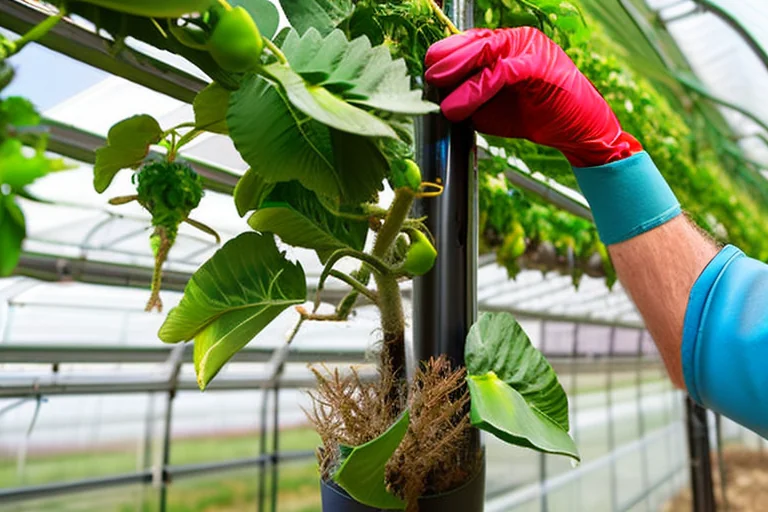
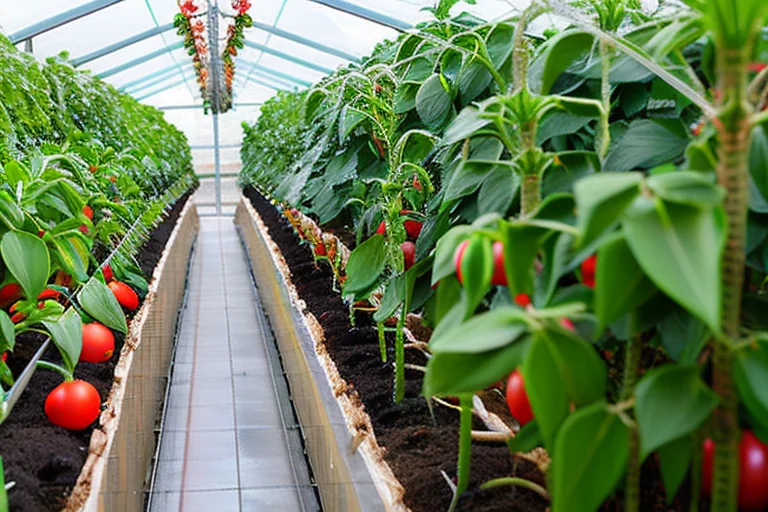
Indeterminate (vining) tomato varieties will grow out of control if left to their own devices. Pruning them to a single or double main stem channels all the plant’s energy into fruit production rather than excess foliage. Regularly remove the “suckers” that grow in the crotch between the main stem and a branch. Training your plants vertically onto a string or trellis system keeps them organized, improves air circulation, and makes harvesting a breeze. This vertical approach also maximizes your use of space, allowing you to grow more plants in the same footprint.
Precision Irrigation and Feeding
Tomatoes are heavy feeders and require consistent moisture. Drip irrigation is the gold standard in a greenhouse. It delivers water directly to the base of each plant, keeping foliage dry and preventing disease, while also conserving water. Pair your irrigation with a regular feeding schedule. Once flowers appear, switch to a fertilizer higher in potassium and phosphorus to support blooming and fruit development. Monitoring your plants closely will help you fine-tune your greenhouse environment with smart technology, taking the guesswork out of watering and feeding.
Ongoing Maintenance and Troubleshooting
Vigilance is the price of a healthy harvest. Regularly inspect your plants for the first signs of trouble. Common pests like whiteflies, aphids, and spider mites can be managed with insecticidal soaps, neem oil, or by introducing beneficial insects like ladybugs. For diseases, prevention through good air circulation and dry foliage is your best defense. At the end of each season, conduct a thorough cleanup. Remove all plant debris, disinfect your greenhouse surfaces and tools, and amend your soil or replace your potting mix to prepare for another successful cycle.
Are you ready to transform your gardening and achieve tomato-growing mastery? The journey to a perpetual harvest starts with the right environment. Explore Polygreenhouse.net Solutions to find the perfect structure for your needs. Then, Browse Our Complete Greenhouse Collection to see all the options available. If you have specific questions or need personalized advice, don’t hesitate to Contact Our Greenhouse Experts—we’re here to help you grow.
 English
  Spanish
  French
  German
  Portuguese
  Arabic
  Russian
  Chinese