
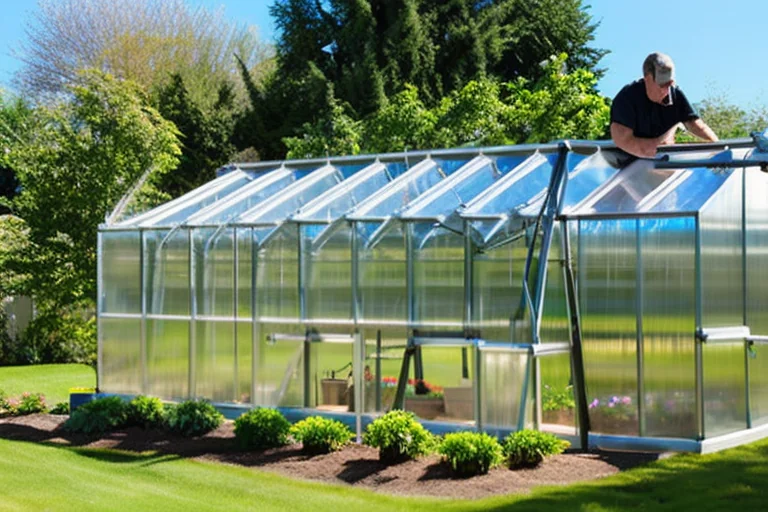
Your polycarbonate greenhouse is a sanctuary for your plants, a controlled environment where you can defy the seasons. But that control depends entirely on the integrity of the structure itself. Just like your home needs its roof maintained and windows sealed, your greenhouse requires diligent weatherproofing and insulation upkeep. Neglecting these aspects can lead to costly heat loss, damaging drafts, pest invasions, and moisture problems that stress your plants and spike your energy bills. Proactive maintenance isn’t just about fixing problems; it’s about preserving the perfect climate you’ve worked so hard to create. Let’s walk through the essential steps to ensure your greenhouse remains a resilient, efficient, and productive haven year after year.
The Foundation of Protection: Seals, Gaskets, and Structural Integrity
The first line of defense against the elements is a tight seal. Over time, the materials that keep your greenhouse airtight can degrade. Start with a thorough inspection of all gaskets and weatherstripping. These are typically found where polycarbonate panels meet the aluminum or steel frame. Look for cracks, brittleness, or compression that has lost its spring. Even a tiny gap can become a highway for cold air in winter and hot, dry air in summer, disrupting your careful climate control. Replacing worn gaskets is a relatively simple task with a huge payoff. Use a high-quality, UV-resistant silicone sealant designed for greenhouses to address any minor gaps in frame joints or where the structure meets its foundation. Pay special attention to door and vent frames, as these moving parts are prone to wear. A well-sealed greenhouse not only conserves energy but also helps in keeping pests and diseases at bay. For smaller or starter projects, ensuring a good seal is equally vital for a successful growing environment, much like you would with a compact indoor growing space.
Maintaining Your Polycarbonate Panels for Optimal Insulation
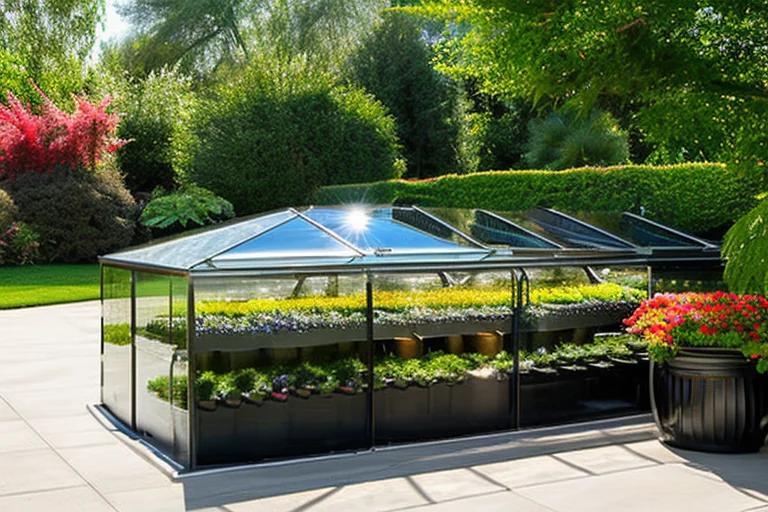
Polycarbonate panels are chosen for their excellent light diffusion and insulating properties, thanks to their multi-wall, air-filled design. However, their performance hinges on their condition. Regular cleaning is non-negotiable. Dirt, algae, and mineral deposits on the panels significantly reduce light transmission, forcing your plants to struggle for energy. Use a soft cloth, mild soap, and plenty of water. Avoid abrasive tools or harsh chemicals that can scratch the UV-protective coating. Inspect panels for any signs of physical damage, such as cracks or punctures. While polycarbonate is tough, impacts can happen. More insidiously, check the end caps of each panel. These small pieces seal the channels inside the panel. If they are missing or loose, moisture and dirt can enter, leading to algae growth inside the channels, which clouds the panel and destroys its insulating value. Re-secure or replace end caps promptly. Keeping panels clean and their structure intact is the core of maintaining their R-value and ensuring your plants receive the quality light they need.
Supplemental Insulation Strategies for Extreme Conditions
Even a perfectly sealed greenhouse with pristine panels may need extra help during deep freezes or scorching heatwaves. Supplemental insulation is a smart, temporary measure. For winter, installing thermal screens or horticultural bubble wrap on the interior north wall (and possibly side walls) creates a dead air space that dramatically reduces heat loss. This is especially effective at night. Ensure any material you use is rated for UV exposure and allows for some light transmission. In summer, the focus shifts to heat rejection. Shade cloth is a form of insulation against solar radiation, preventing overheating. Another critical, often overlooked, aspect of insulation is humidity management. Properly insulated greenhouses retain more moisture. While beneficial for plants, excessive humidity can lead to condensation dripping on foliage, encouraging fungal diseases. This makes a balanced ventilation system, possibly with automated vent openers, an essential partner to your insulation efforts. It allows you to retain heat without creating a swampy atmosphere.
Proactive Seasonal Maintenance Checklist
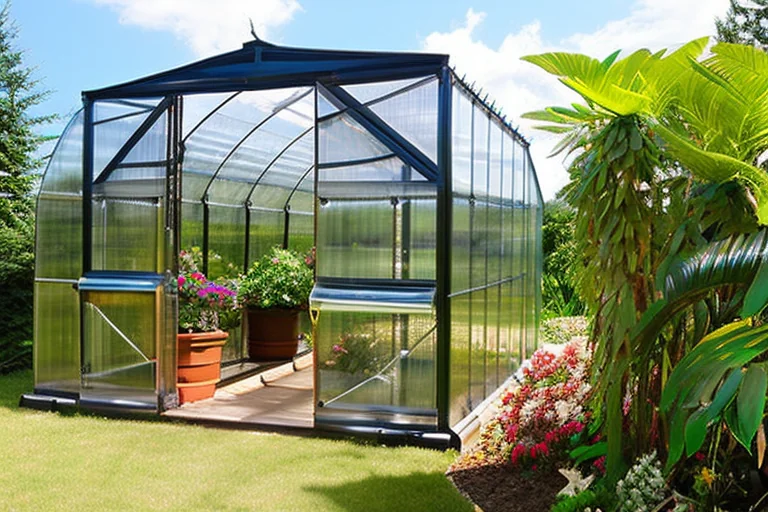
The best approach to weatherproofing is proactive, not reactive. Adopt a seasonal checklist to stay ahead of problems. In late fall, your mission is winter preparation. Complete the full seal and gasket inspection. Clean all panels to maximize weak winter light. Install any supplemental winter insulation and ensure your heating system is serviced and functional. Test all automatic vent openers to ensure they close properly. In early spring, as you transition, remove winter insulation to welcome stronger light. Inspect the structure for any damage from snow or wind over the winter. Check and clear gutters and drainage paths from autumn debris to handle spring rains. Early summer is the time to deploy shade cloth and ensure ventilation systems, including fans and louvers, are clean and operational. A mid-summer check should focus on pest management, as sealed gaps also keep bugs out. Finally, a pre-autumn inspection allows you to order any replacement parts for gaskets or panels before the cold sets in. This cyclical routine transforms maintenance from a chore into a simple, empowering habit that safeguards your gardening investment.
By dedicating time to these weatherproofing and insulation maintenance tasks, you directly invest in the health of your plants and the efficiency of your growing operation. A well-maintained greenhouse uses less energy, provides a more stable environment, and ultimately leads to more robust and productive crops. It turns your structure from a simple shelter into a truly reliable tool for year-round gardening success. Ready to enhance your greenhouse’s performance or find a structure built for durability? Explore our expert resources on winter protection strategies to dive deeper. For personalized advice on choosing or optimizing a greenhouse for your specific climate, don’t hesitate to reach out to our team.
Your journey to a more resilient garden starts with the right knowledge and tools. We’re here to support every step. Browse Our Complete Greenhouse Collection to find a structure designed for durability, or View Our Complete Greenhouse Guides for more in-depth maintenance tips. If you have specific questions about your setup, Contact Our Greenhouse Experts for tailored advice. Let’s build a stronger growing season together.
 English
  Spanish
  French
  German
  Portuguese
  Arabic
  Russian
  Chinese