
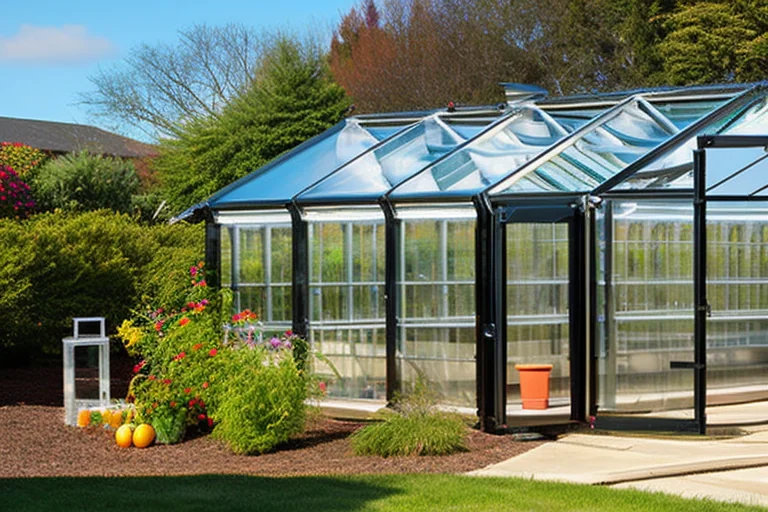
For any gardener serious about extending their season or cultivating tender perennials, the question of greenhouse heating is not a matter of “if” but “how.” As winter’s chill sets in, the warmth inside your sanctuary becomes the lifeline for your plants. Today, we face a modern crossroads in greenhouse technology: the efficient, high-tech allure of heat pumps versus the tried-and-true reliability of traditional heating systems. This choice goes far beyond just picking an appliance; it’s about selecting the heart of your growing environment. The right system affects everything from your utility bills and carbon footprint to the very consistency of temperature that your tomatoes, orchids, or seedlings depend on. Let’s dig into the details to help you cultivate not just plants, but the perfect climate for them.
Understanding the Core Technologies
Before we compare, it’s essential to understand what each system is and how it operates. Traditional greenhouse heating typically encompasses systems like gas-fired unit heaters (propane or natural gas), radiant tube heaters, and standard electric resistance heaters. These systems generate heat through combustion or by passing electricity through a resistive element, much like a giant space heater. The heat is then distributed via fans or radiant energy. They are straightforward: fuel or electricity goes in, heat comes out.
Heat pumps, on the other hand, are marvels of efficiency that move heat rather than generate it from scratch. Using a refrigeration cycle, they extract latent heat energy from the outside air (even in cold weather) and transfer it inside your greenhouse. In the summer, the process can often be reversed to provide cooling. This fundamental difference—creating heat versus moving it—is the source of their dramatic disparity in energy efficiency and opens up new possibilities for climate control in structures like a well-sealed compact growing space.
The Efficiency and Cost Showdown
This is where the debate gets most heated, pun intended. Efficiency is measured differently for these systems. Traditional gas heaters might have an Annual Fuel Utilization Efficiency (AFUE) of 80-95%, meaning 80-95% of the fuel’s energy becomes heat. Electric resistance heaters are nearly 100% efficient at converting electricity to heat, but electricity is often a more expensive energy source per unit of heat.
Heat pumps are measured by Coefficient of Performance (COP). A typical COP of 3.0 means for every 1 unit of electrical energy consumed, 3 units of heat energy are delivered. This can translate to being 200-300% more efficient than standard electric heat and often more cost-effective than gas, depending on local fuel prices. The long-term operational savings with a heat pump can be substantial, though the upfront investment is usually higher.
Operating Costs and Environmental Impact
Your monthly bill and carbon conscience are directly tied to your choice. A traditional gas heater will have lower operating costs than an electric resistance heater in most regions, but it directly produces combustion byproducts like carbon dioxide and water vapor (which can be a pro or con for plants). Propane can be costly if you’re off the natural gas grid.
Heat pumps, powered by electricity, have very low operating costs due to their high COP. Their environmental impact is linked to how your local grid produces electricity. If your power comes from renewable sources, a heat pump is a nearly zero-emission solution. They also produce no on-site combustion, making them safer for enclosed spaces and eliminating the need for venting.
Performance in the Real Greenhouse Environment
How do these systems perform when the frost is on your polycarbonate panels? Traditional heaters, especially high-BTU gas models, excel at providing rapid, powerful heat. They can quickly recover temperature after a door is left open or during a deep cold snap. This makes them a favorite for larger, commercial operations or draftier structures.
Heat pumps provide a steady, consistent heat but their capacity to move heat diminishes as outdoor temperatures drop significantly (typically below 25-30°F, though cold-climate models perform lower). In very cold climates, a supplemental “backup” heat source (like a small electric heater) may be needed for the coldest nights. However, for most temperate winter gardening, a properly sized heat pump is more than adequate and provides the gentle, even heat that many plants prefer.
Installation, Maintenance, and Greenhouse Design
Installation complexity varies widely. A simple electric heater might just need a plug, while a gas heater requires professional installation of gas lines, venting, and safety controls. Heat pumps, specifically ductless mini-split systems, require a professional HVAC technician to install the indoor and outdoor units and handle the refrigerant lines. This makes them a more integrated part of your greenhouse’s infrastructure.
Maintenance for traditional systems involves checking burners, cleaning fans, and ensuring vents are clear. Heat pumps require keeping the outdoor coil free of debris and having the system serviced every few years. From a design perspective, the quiet operation and lack of bulky ductwork make heat pumps ideal for maximizing every square foot of growing area, as they don’t interfere with layout. Modern polycarbonate greenhouses, with their excellent insulation properties (like twin-wall or multi-wall panels), are perfect partners for heat pumps, as they retain the consistent temperature the pump provides so efficiently.
Humidity and Climate Control Bonus
An often-overlooked factor is humidity management. Gas heaters, through combustion, add significant moisture to the air. In a tightly sealed greenhouse in winter, this can lead to condensation on panels and increased fungal disease pressure. Heat pumps, in heating mode, actually dehumidify the air as they operate, helping to keep foliage dry and prevent mold and mildew—a major advantage for plant health.
Furthermore, the reverse-cycle capability of most heat pumps means your investment also buys you a high-efficiency cooling system for summer. This turns your greenhouse into a truly year-round, climate-controlled environment, allowing you to grow a wider variety of crops and protect plants from summer heat stress.
Making the Right Choice for Your Garden
So, which system is the winner? The answer, as in most gardening decisions, is “it depends.” For a small to medium-sized polycarbonate greenhouse in a climate with moderate winters, a heat pump is often the superior long-term choice due to its low operating costs, dual heating/cooling function, and precise climate control. It’s a set-and-forget system that promotes healthier plants.
For very large agricultural greenhouses, regions with extremely harsh and prolonged sub-freezing temperatures, or where natural gas is exceptionally cheap and available, a traditional high-efficiency gas system might be more practical for its raw heating power and rapid recovery. It’s also a more familiar technology for many installers.
Consider your priorities: Is upfront cost or lifetime cost most important? Do you need summer cooling? How low do your winter temperatures reliably go? Assessing these factors against the strengths of each technology will lead you to the ideal thermal heart for your greenhouse.
Ready to create the perfect climate for your plants? The foundation of any efficient heating system is a well-built, insulated structure. Browse Our Complete Greenhouse Collection to find the perfect polycarbonate greenhouse to pair with your new heating strategy. For personalized advice on sizing a system for your specific setup and local climate, don’t hesitate to Contact Our Greenhouse Experts. We’re here to help you grow, year-round.

 English
  Spanish
  French
  German
  Portuguese
  Arabic
  Russian
  Chinese