
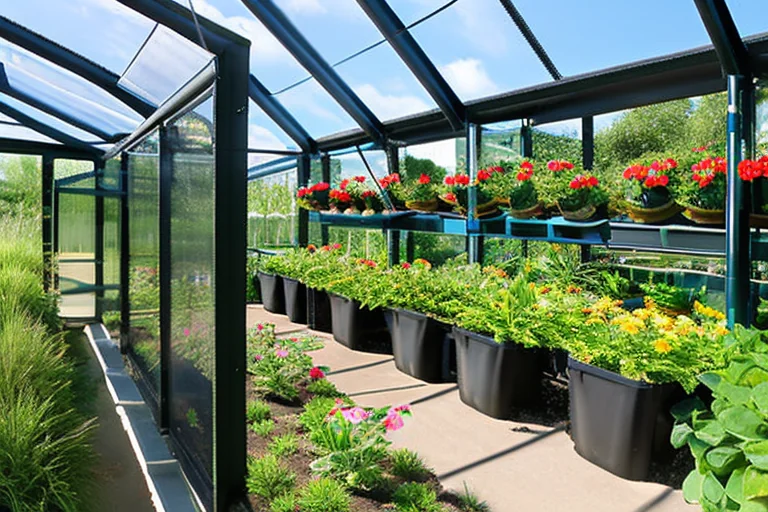
Imagine harvesting sun-ripened tomatoes in early spring or crisp lettuce in the dead of winter, all while knowing your food was grown without a single synthetic chemical. This isn’t just a dream for dedicated gardeners; it’s the powerful reality of combining organic growing methods with the controlled environment of a polycarbonate greenhouse. This synergy creates a sanctuary for plants, where you can work in harmony with natural processes to produce abundant, nutritious food year-round. A polycarbonate structure is more than just a shelter; it’s a tool that amplifies organic principles, offering a stable, protected space to nurture soil life, manage ecosystems, and defy the limitations of outdoor seasons. Let’s explore how to turn this protected space into a thriving, self-sustaining organic oasis.
Why Polycarbonate Greenhouses are Ideal for Organic Gardening
Choosing the right structure is the first critical step in organic greenhouse gardening, and polycarbonate panels offer distinct advantages that align perfectly with sustainable goals. Unlike single-pane glass, multi-wall polycarbonate provides exceptional insulation, trapping heat efficiently during cool nights and reducing energy costs. This thermal efficiency creates a more stable root zone, which is fundamental for strong, resilient plant growth without relying on external heat sources. Perhaps even more important for plant health is the quality of light. Polycarbonate diffuses sunlight, scattering it evenly throughout the interior. This eliminates harsh shadows and hot spots, preventing leaf scorch and encouraging lush, even growth on all your plants, from seedlings to fruiting vegetables. The durability of polycarbonate also means your investment is protected against hail and heavy weather, ensuring a long-lasting growing environment. For those with limited space but big organic dreams, exploring small space greenhouse solutions made from polycarbonate can be a perfect and efficient entry point.
Building the Foundation: Living Soil in a Protected Environment
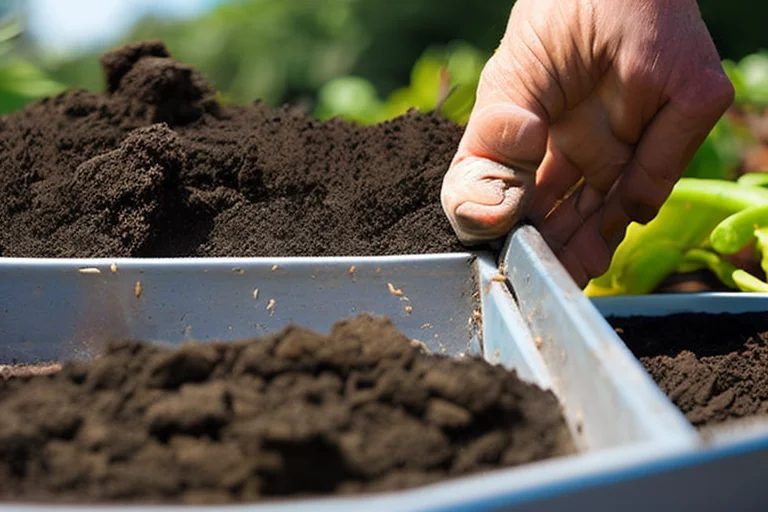
The heart of any organic garden is its soil, and in a greenhouse, you have the unique opportunity to create and curate a perfect living ecosystem. Start by filling your beds or containers with a high-quality base mix of compost, peat moss or coconut coir, and perlite or vermiculite. This is just the beginning. To maintain fertility organically, you must feed the soil food web—the billions of bacteria, fungi, and microbes that in turn feed your plants. Regular top-dressing with finished compost, worm castings, and well-aged manure replenishes nutrients and improves soil structure. Incorporating green manures or cover crops like crimson clover in between planting cycles fixes nitrogen, suppresses weeds, and adds organic matter when turned in. Liquid fertilizers such as compost tea, fish emulsion, and seaweed extract provide readily available nutrients for heavy feeders like tomatoes and peppers. Remember, container and raised bed soils in greenhouses can exhaust quickly, so a consistent schedule of organic amendment is non-negotiable for sustained success.
Water Management and Irrigation
Water is life in the greenhouse, and organic management means using it wisely and cleanly. Overhead watering can promote fungal diseases on leaves, so opt for drip irrigation or soaker hoses that deliver water directly to the root zone. This conserves water, keeps foliage dry, and provides consistent moisture that plants love. Collecting rainwater in barrels outside your greenhouse is the ultimate organic water source, as it is naturally soft and free of municipal treatment chemicals. Always water deeply and less frequently to encourage strong root growth, and mulch your soil surface with straw, shredded leaves, or wood chips to dramatically reduce evaporation, suppress weeds, and keep soil temperatures even.
Organic Pest and Disease Management Strategies
In the warm, humid, and plant-dense environment of a greenhouse, pests and diseases can multiply rapidly. Organic control focuses on prevention, ecosystem balance, and targeted interventions. Start with cultural practices: ensure good air circulation with roof and side vents, avoid overcrowding plants, and promptly remove any diseased foliage. Sanitation is key—clean up plant debris at the end of each season to break pest and disease cycles. Introduce beneficial insects as your living army. Ladybugs and lacewings devour aphids, while predatory mites control spider mites. You can attract and sustain these helpers by planting nectar-rich flowers like alyssum and dill right inside your greenhouse. For persistent issues, use physical barriers like insect netting and employ organic sprays as a last resort. Neem oil, insecticidal soaps, and homemade sprays with garlic or chili can be effective when used correctly. A critical part of prevention is managing humidity, which is where features like anti-fog polycarbonate panels prove invaluable by preventing condensation drip that can spread disease.
Companion Planting and Crop Rotation
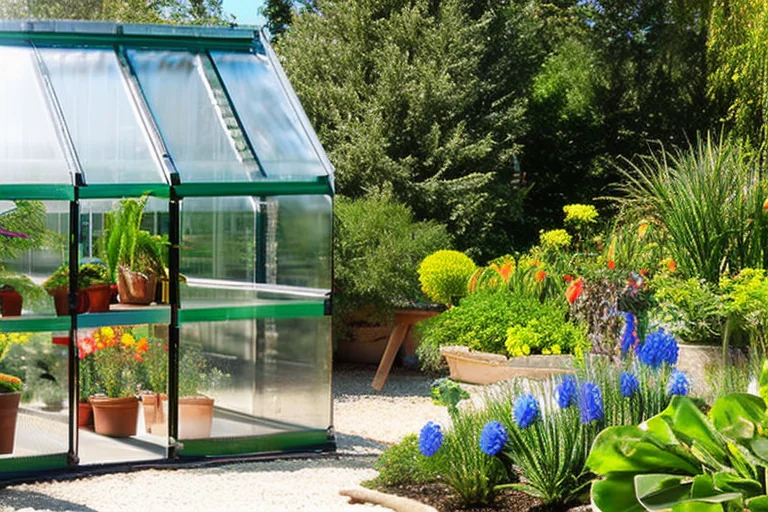
Don’t just grow plants; design a plant community. Companion planting leverages natural relationships to deter pests, attract beneficials, and even enhance growth. Plant basil near tomatoes to improve flavor and repel flies, or grow marigolds throughout to nematode-prone areas. Even in a greenhouse, practicing crop rotation is possible. Avoid planting the same family (like tomatoes, peppers, and eggplants) in the same soil season after season. Rotate with heavy feeders, light feeders, and soil builders like legumes to prevent nutrient depletion and disrupt soil-borne disease cycles.
Maximizing Your Organic Greenhouse Year-Round
The true power of your polycarbonate greenhouse is its ability to extend seasons and increase productivity. Use the shoulder seasons—late winter and early spring, late fall—to grow cool-weather crops like spinach, kale, carrots, and radishes. As temperatures warm, transition to heat-loving summer staples. In the deepest winter, you can use the greenhouse to overwinter perennial herbs or protect cold-hardy crops with the addition of a frost cloth. Succession planting is your best friend: as soon as one crop is harvested, have another batch of seedlings ready to go into the ground. This constant cycle requires planning but results in a continuous harvest. Utilize vertical space with trellises for cucumbers, beans, and indeterminate tomatoes to maximize every square foot of your organic haven.
Maintaining Your Organic Greenhouse Ecosystem
Long-term success requires ongoing stewardship. At the end of each main growing season, conduct a thorough cleanup. Remove all plant material, refresh your mulch, and add a fresh layer of compost to beds. Wash the interior polycarbonate panels with a mild, non-toxic cleaner to maximize winter light transmission. Check seals, vents, and irrigation lines for proper function. Monitor soil health with simple tests, and be prepared to occasionally completely replace the soil in containers to prevent salt buildup and disease. Your greenhouse is a dynamic system; observing, learning, and adapting your practices each year is the essence of organic gardening.
Embarking on the journey of organic growing within a polycarbonate greenhouse is one of the most rewarding endeavors for any gardener. It places you in the role of an ecosystem manager, where you facilitate natural processes to produce incredible abundance. You gain unparalleled control over your food quality, reduce your environmental footprint, and enjoy the profound satisfaction of harvesting fresh produce regardless of the weather outside. The initial investment in a proper structure and soil pays dividends for years in health, flavor, and personal fulfillment. Ready to create your own sustainable growing sanctuary? Browse Our Complete Greenhouse Collection to find the perfect structure, and Contact Our Greenhouse Experts for personalized advice on setting up your organic oasis. For more in-depth knowledge, View Our Complete Greenhouse Guides to continue your learning journey.
 English
  Spanish
  French
  German
  Portuguese
  Arabic
  Russian
  Chinese