
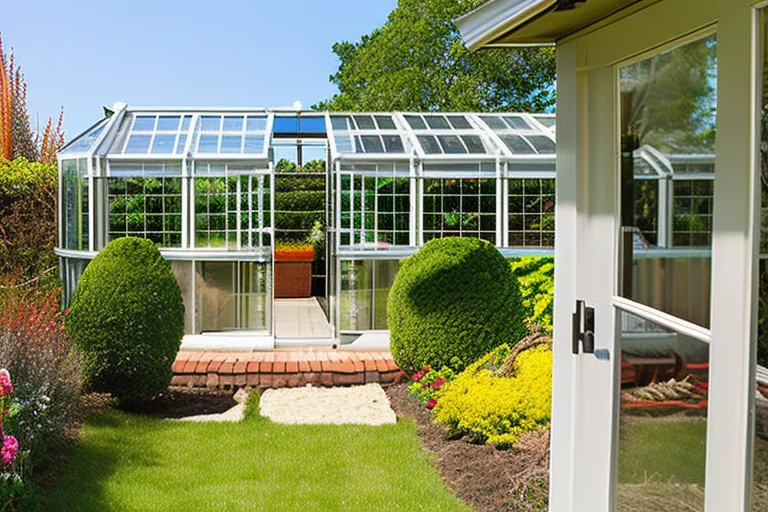
A sudden storm can turn your peaceful greenhouse sanctuary into a scene of chaos in minutes. High winds, flying debris, and heavy hail can leave even the sturdiest polycarbonate greenhouse with cracked panels, bent frames, and a vulnerable interior. As a gardener, your first instinct is to protect your plants, but navigating the aftermath requires a calm, systematic approach. The key to successful recovery lies in acting swiftly and safely. This guide will walk you through the essential emergency repair steps to stabilize your structure, shield your crops, and begin the restoration process, ensuring your gardening efforts aren’t lost to the weather.
Immediate Post-Storm Safety and Assessment
Before you rush in to save your prized tomatoes, your personal safety must come first. A damaged greenhouse structure can be unstable and hazardous. Wait until the storm has completely passed and it’s safe to go outside. As you approach, look for obvious dangers like downed power lines, large hanging branches, or severely twisted metal framing. Wear sturdy gloves, long sleeves, and safety glasses to protect yourself from sharp polycarbonate edges and debris. Once you’ve confirmed the area is safe, begin a thorough visual assessment from the outside. Don’t enter the structure yet. Walk around the entire perimeter, noting any major breaches in the panels, sagging roof sections, or foundation issues. Listen for creaking or groaning sounds that indicate instability. This initial survey will help you formulate a repair plan and identify the most critical areas needing immediate attention.
Securing the Structure: Temporary Fixes
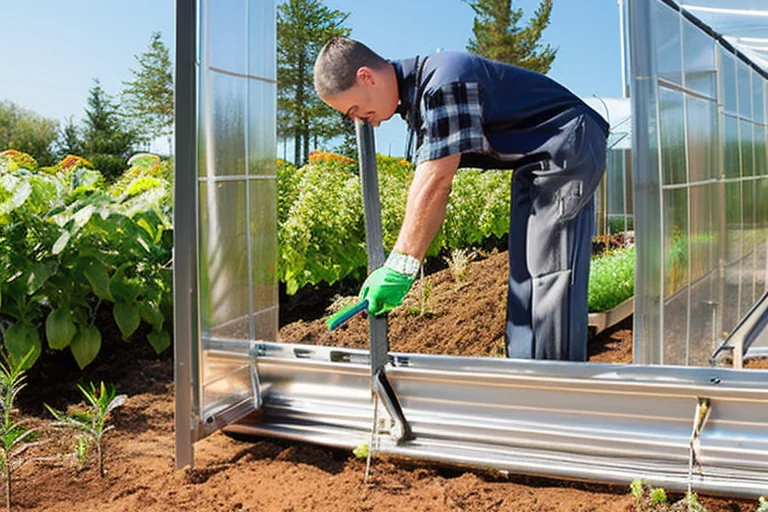
Your primary goal is to prevent further damage and make the greenhouse safe for entry. Start with the frame. If you find any loose or bent aluminum joints, use clamps, heavy-duty zip ties, or even duct tape to temporarily secure them. For a slightly bowed section, you can often use a length of lumber as a temporary brace, securing it to stable parts of the frame. Next, address the polycarbonate panels. Small cracks or holes can be sealed temporarily with clear, heavy-duty packing tape or specialized polycarbonate repair tape applied to both sides of the panel. For larger holes or missing panels, you’ll need to create a barrier. A sheet of thick plastic sheeting, secured tightly over the opening with batten tape or wooden strips screwed into the frame, works well. The key is to create a windproof and waterproof seal to stabilize the internal environment. If a door is damaged and won’t close, barricade it with a piece of plywood. Remember, these are emergency measures; permanent repairs should follow as soon as possible.
Protecting Your Plants from Further Stress
With the structure temporarily stabilized, you can now focus on your plants. The sudden loss of climate control is a massive shock. If the outside temperature is cold, your first priority is insulation. Use horticultural fleece, old blankets, or row covers to drape over plant beds. For individual tender plants, consider using cloches or even a portable indoor greenhouse to create a protective microclimate while repairs are underway. If it’s hot and sunny, use shade cloth to prevent scorching through newly exposed areas. Check for physical damage on plants—broken stems can sometimes be splinted, and dislodged plants should be gently repotted. Water carefully, as stressed plants are more susceptible to root issues, but ensure they don’t dry out in the changed conditions. Improving air circulation with a small fan can help prevent fungal diseases that thrive in the damp, stagnant air that often follows a storm.
Prioritizing Permanent Repairs
Once the immediate crisis is managed, it’s time to plan for lasting fixes. Start by ordering replacement polycarbonate panels. Always use UV-protected, multi-wall panels designed for greenhouses, as they provide proper insulation and light diffusion. When installing new panels, ensure all seals and aluminum profiles are intact and use proper polycarbonate fasteners with rubber gaskets to allow for thermal expansion. Inspect the entire frame for hairline cracks or bends you might have missed. For aluminum frames, minor bends can sometimes be carefully straightened, but severely compromised sections should be replaced. Don’t forget to check the foundation and anchoring. Storms often reveal weak points here; you may need to add additional ground anchors or reinforce the base. This is also an excellent time to consider upgrades, like adding reinforcing bars at key stress points or installing remote environmental sensors to get early warnings of future problems.
Fortifying Against Future Storms
Recovery is also about prevention. Use this rebuild as an opportunity to make your greenhouse more resilient. Evaluate its location—are there trees nearby that could drop limbs? Consider trimming or removing them. Reinforce the windward side of the structure, as it takes the brunt of the force. Installing automatic vent closers can prevent high winds from catching and tearing off roof vents. Ensure all gutters and downspouts are clear to handle heavy rain and prevent water pooling around the foundation, which can weaken it. Create a storm preparedness kit to keep on hand: include polycarbonate repair tape, heavy-duty plastic sheeting, extra fasteners, clamps, zip ties, and tools. Having these items ready can save precious hours when the next storm warning is issued. Regularly scheduled maintenance, like checking sealant and tightening bolts, is your best long-term defense.
Knowing When to Call a Professional
While many repairs are within a dedicated gardener’s skill set, some damage requires expert intervention. If the main structural frame is significantly twisted or the foundation has shifted, a professional assessment is crucial. They can determine if the structure is salvageable or if a rebuild is safer and more cost-effective. Similarly, if the storm damage is extensive and covered by insurance, having a professional evaluation and repair quote is often necessary for your claim. Don’t risk your safety or invest in temporary fixes for a structure that is fundamentally unsound. A professional can also provide valuable advice on siting and constructing a more storm-resistant replacement, turning a disaster into an opportunity for a major upgrade.
Dealing with greenhouse storm damage is stressful, but with a clear plan, you can recover and often come back stronger. By acting safely, implementing smart temporary fixes, and investing in robust permanent repairs, you safeguard not just your current season’s growth but many future harvests. Remember, the goal is to restore your controlled environment so your plants can thrive once again. For more guidance on protecting your investment, explore our resources on durable greenhouse solutions, replacement parts and kits, or speak directly with our expert team for personalized advice on your repair project.
 English
  Spanish
  French
  German
  Portuguese
  Arabic
  Russian
  Chinese