
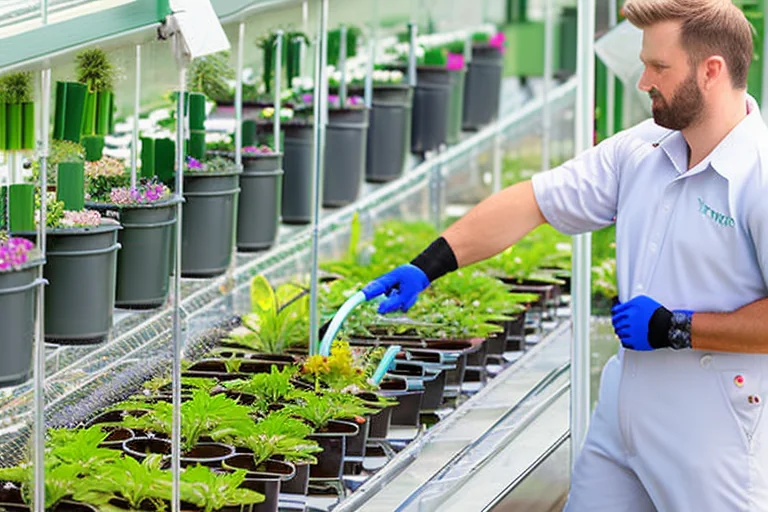
A thriving greenhouse is a symphony of light, water, and warmth, often orchestrated by a network of electrical systems. From the gentle hum of exhaust fans to the radiant glow of grow lights and the steady pulse of heating mats, electricity is the unseen force powering modern horticulture. However, the very environment that nurtures your plants—constant humidity, temperature swings, and occasional water spills—creates a uniquely challenging setting for electrical components. Ensuring the safety and reliability of your greenhouse’s electrical system isn’t just about protecting your investment; it’s a fundamental requirement for safeguarding your plants, your property, and yourself. Let’s delve into the essential practices for designing, installing, and maintaining a safe electrical infrastructure in your polycarbonate sanctuary.
Understanding the Unique Electrical Risks in a Greenhouse
The greenhouse environment is inherently hostile to standard electrical equipment. High humidity can lead to condensation forming on outlets, wires, and fixtures, dramatically increasing the risk of short circuits and corrosion. Water from irrigation systems, misters, or even a carelessly aimed hose poses a direct threat. Furthermore, the presence of fertilizers and soils can introduce conductive salts into the environment. Temperature fluctuations cause materials to expand and contract, potentially loosening connections over time. These factors combine to create a scenario where the risk of electrical shock, fire, or equipment failure is significantly higher than in a typical home or garage. Recognizing these risks is the first step toward mitigating them through proper design, quality materials, and diligent maintenance.
Essential Safety Components for Every Greenhouse
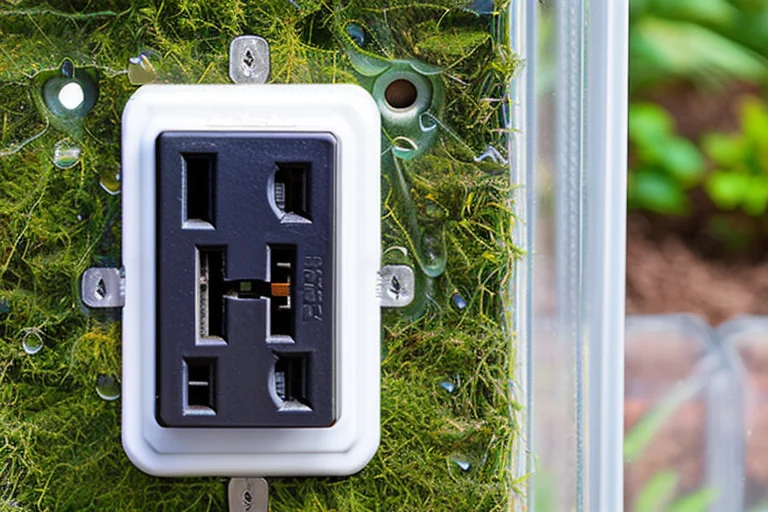
Building a safe electrical foundation starts with incorporating the right protective devices. The single most important safety feature for any greenhouse circuit is the Ground Fault Circuit Interrupter (GFCI). A GFCI outlet or breaker monitors the flow of electricity and can shut off power in as little as 1/40th of a second if it detects a leak, such as current flowing through water or a person. Every outlet in your greenhouse should be GFCI-protected. Secondly, all circuits must be properly grounded. This provides a safe path for stray electricity to follow in the event of a fault. For permanent installations, this work must be performed by a licensed electrician who can ensure compliance with the National Electrical Code (NEC), which has specific articles covering agricultural buildings. Using outdoor-rated, weatherproof (NEMA 3R or 4) boxes, covers, and conduit is non-negotiable. These are designed to resist moisture and corrosion. Finally, consider installing a whole-structure surge protector at your main panel to shield sensitive electronic controllers, timers, and smart greenhouse monitoring equipment from voltage spikes caused by storms or grid fluctuations.
Safe Installation of Lighting, Heating, and Ventilation
Each major electrical system in your greenhouse demands specific safety considerations. For lighting, always use fixtures rated for damp or wet locations. Ensure LED grow lights or other fixtures are mounted securely, away from direct contact with foliage or water spray, and have adequate ventilation to prevent overheating. Heating systems, whether radiant tubes, forced air, or soil cables, require careful planning. Keep all heating elements away from flammable materials like dried leaves or wooden benches. Thermostats should be placed in a representative location, shielded from direct sun and water. For ventilation, fans and motorized vent openers should be on dedicated circuits where possible. Motors should be checked regularly for signs of wear or moisture ingress. A common mistake is using standard indoor extension cords; instead, use only heavy-duty, outdoor-rated cords for temporary needs and plan your outlet placement to minimize their necessity.
Creating a Routine Electrical Maintenance Checklist
Proactive maintenance is the key to long-term safety and system reliability. Establish a monthly and seasonal routine to catch small issues before they become big problems. Start with a visual inspection: look for any signs of corrosion on outlets, switches, or metal fixtures. Check for frayed wires, cracked insulation, or loose connections. Test all GFCI outlets monthly by pressing their “Test” and “Reset” buttons. Listen for unusual sounds from fans, pumps, or transformers, such as buzzing or humming, which can indicate a failing component. Keep all electrical panels, boxes, and conduit clear of plant debris, spider webs, and obstructions to ensure proper ventilation and easy access. As part of your portable greenhouse setup or permanent structure care, make it a habit to wipe down external surfaces of electrical boxes with a dry cloth to remove moisture and dust buildup.
Winterizing and Seasonal Electrical Preparations
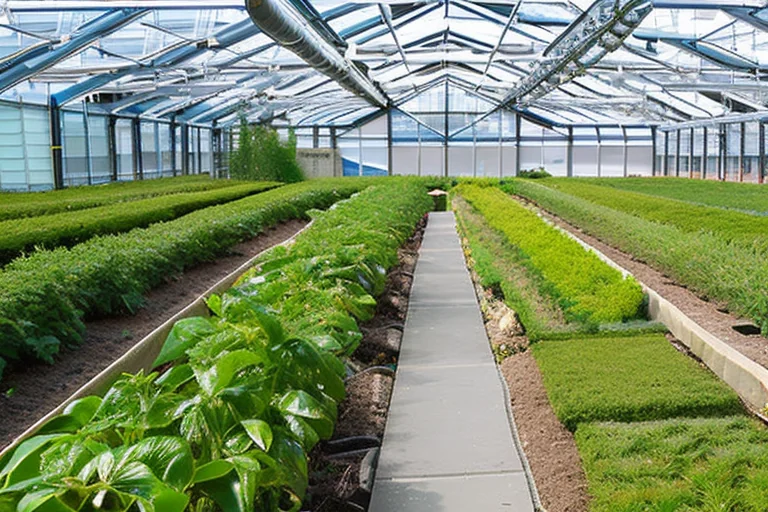
Seasonal changes place different demands on your electrical system. Before winter, inspect heating elements and thermostats thoroughly. Ensure heating cables or mats are functioning correctly and their insulation is intact. Check that all vents and fan shutters are operating smoothly to prevent cold air backdrafts. In spring, before the growing season ramps up, test all irrigation pumps, misting systems, and lighting circuits. This is an ideal time to calibrate environmental controllers and replace batteries in wireless sensors. During hot summer months, pay extra attention to cooling systems; ensure fan blades are clean and motors are not overheating. A comprehensive approach to seasonal greenhouse maintenance that includes your electrical systems will ensure year-round efficiency and safety.
Integrating Smart Technology Safely
Modern greenhouses increasingly utilize smart technology for automation and monitoring. While these systems offer incredible control and data, they introduce more electronic devices and wiring. When installing Wi-Fi controllers, automated vent openers, or sensor networks, always follow the manufacturer’s installation guidelines precisely. Use waterproof enclosures for any hubs or controllers not natively rated for damp environments. Ensure network cables (like Ethernet for some systems) are properly shielded and routed away from power lines to avoid interference. The benefit of these systems is their ability to provide alerts for conditions like power loss or extreme temperatures, allowing for proactive intervention. However, they should complement, not replace, your physical inspection routine.
Planning and Professional Help
Whether you’re building a new greenhouse or retrofitting an old one, start with a clear electrical plan. Map out where you need outlets for tools, lighting circuits for different zones, and dedicated lines for high-draw equipment like heaters or large pumps. It is almost always best and often legally required to have a qualified electrician handle the main service connection, panel work, and circuit runs. They will ensure proper wire gauge, conduit size, and bonding. For the gardener, focus on the safe use and regular maintenance of the end-point devices. Remember, no amount of homegrown ingenuity is worth the risk of an electrical fire or shock in your moist, plant-filled haven.
By respecting the power that fuels your greenhouse and implementing these safety and maintenance protocols, you create a stable foundation for everything you grow. A safe electrical system is a reliable one, giving you peace of mind and your plants the consistent environment they need to flourish. Ready to build or upgrade your growing space with safety as a priority? Browse Our Complete Greenhouse Collection to find the perfect structure, and don’t hesitate to Contact Our Greenhouse Experts for personalized advice on integrating power into your horticultural plans. For more in-depth knowledge, you can always View Our Complete Greenhouse Guides.

 English
  Spanish
  French
  German
  Portuguese
  Arabic
  Russian
  Chinese